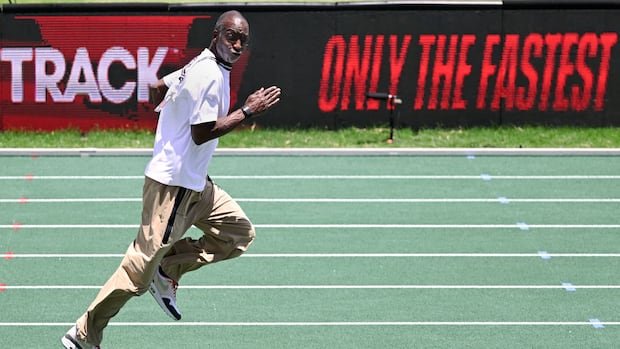


In June, I appeared as a guest on CBC Sports’ online show “Trackside” to discuss Grand Slam Track’s decision to cancel its season finale. I analyzed the financial challenges faced by the league and expressed skepticism about their ability to deliver significant payouts to athletes in the future.
Recent developments have revealed that Grand Slam Track was not able to meet its financial obligations. Despite ambitious plans, the league struggled to secure adequate funding to support its operations, prize money, media agreements, and broadcasting expenses.
The primary investor, Eldridge, withdrew its support after observing low attendance at the inaugural event in Jamaica. This setback highlighted the financial fragility of Grand Slam Track and its inability to fulfill its commitments to athletes and partners.
With the league now in bankruptcy, questions arise about its future prospects. The significant debts owed to production companies, graphics firms, and athletes like Sydney McLaughlin-Levrone pose a challenge to Grand Slam Track’s return for a second season.
Reflecting on the league’s shortcomings, it becomes evident that successful sports startups require substantial financial backing or a compelling narrative to engage fans. Grand Slam Track lacked both elements, raising doubts about its ability to stage a comeback in 2026.
Unlike thriving ventures like the UFC, which built a strong brand through strategic storytelling and media presence, Grand Slam Track struggled to establish a coherent identity that resonated with audiences. The league’s downfall serves as a cautionary tale about the importance of crafting a compelling narrative in the competitive sports industry.
As Grand Slam Track faces an uncertain future, the need for a revised strategy and renewed investor interest becomes paramount to revive its reputation and attract new talent and followers. Without a clear vision and adequate financial support, the league’s prospects for a successful second season remain in jeopardy.