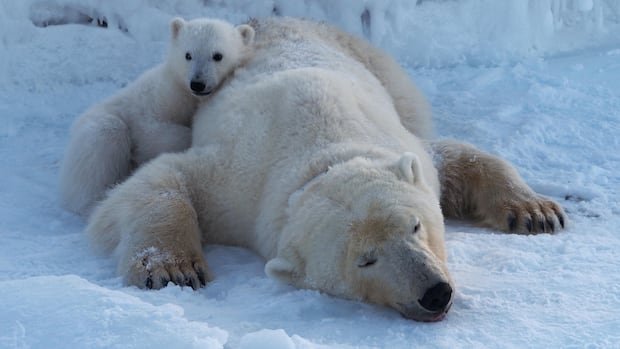


In the Arctic, a solitary polar bear swimming in ice-free waters has become a symbol of the impact of a warming world on wildlife. However, in the Barents Sea north of Norway, polar bears are faring well despite decades of melting sea ice and increasing ice-free days, as revealed in a recent study published in Scientific Reports.
The research indicates that this specific subpopulation of polar bears seems to be adapting to the changing environment, managing to find sufficient food to sustain themselves even in the absence of sea ice. This adaptation highlights the variability within animal populations in response to climate change.
While some experts acknowledge that certain species may benefit from changing conditions, they caution that such adaptations may only be temporary. The long-term consequences of continued loss of sea ice could still have devastating effects on polar bears.
The study, which involved hundreds of live captures of bears between 1995 and 2019 in the Svalbard archipelago, provides insights into the health and condition of polar bears in the region. Despite facing earlier sea ice breakup and prolonged ice-free periods, the bears’ body conditions have shown resilience and stability over time.
Experts attribute this resilience to the bears diversifying their diet, possibly due to the availability of alternative prey such as walruses, bird eggs, and whale carcasses. These additional food sources may be easier for the bears to access, reducing the energy they need to hunt.
While the success of the Barents Sea polar bears is a positive development, experts emphasize that not all polar bear populations are faring as well. Canadian polar bears, for example, continue to face challenges as their habitats are affected by diminishing sea ice, leading to declines in body condition, survival rates, and reproduction.
Looking ahead, the future of polar bears remains uncertain, with regional differences likely shaping their short-term prospects. However, the overarching impact of climate change on polar bear populations is clear, highlighting the urgent need for conservation efforts to mitigate further loss of sea ice and protect these iconic Arctic species.