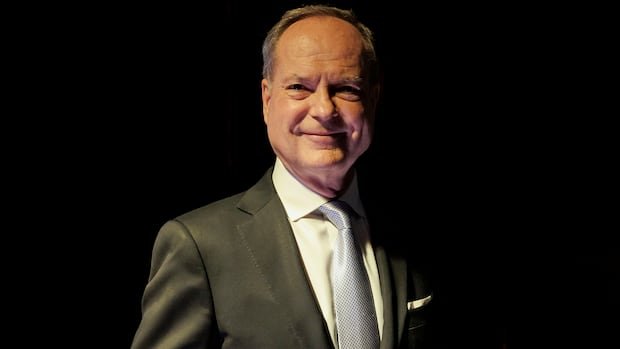


Ontario’s finance minister is standing firm on the decision to maintain a ban on U.S. alcohol sales in the LCBO, despite concerns raised by American officials about its impact on trade discussions with President Donald Trump’s administration.
Peter Bethlenfalvy reaffirmed this stance during an extensive year-end interview with CBC News. The finance minister, acting on behalf of Premier Doug Ford’s government, directed the LCBO in early 2025 to remove American alcohol from its shelves in response to tariffs imposed by the U.S. government.
Bethlenfalvy emphasized that the government remains committed to this action, insisting that the full removal of tariffs is the sole condition for lifting the U.S. alcohol boycott in Ontario.
“We have been unequivocal about this. While it’s not our preferred course of action, we have clearly communicated our position since day one,” Bethlenfalvy stated.
The U.S. has called for the provinces to end their boycotts on American alcohol as part of a series of conditions outlined by U.S. trade representative Jamieson Greer to extend the Canada-U.S.-Mexico agreement (CUSMA). The ban, along with a decline in Canadian tourism, has drawn criticism from U.S. Ambassador to Canada, Pete Hoekstra, who characterized Canada’s actions as obstructive in trade negotiations.
In response to inquiries about the escalating tensions with the White House, Bethlenfalvy refrained from speculation, highlighting the need for constructive dialogue to reach a mutually beneficial trade deal between the two nations.
The alcohol ban has been in effect since March, resulting in a significant inventory of American liquor valued at $80 million stored in an LCBO warehouse. The Ontario Liberal Party urged Premier Doug Ford to consider selling the alcohol for charitable purposes, a suggestion that the PC government has shown reluctance to pursue.
Bethlenfalvy noted that the alcohol ban has had positive outcomes for local producers in Ontario, providing increased exposure for their products and resulting in substantial growth in sales for Ontario-based wines and craft beers.
Looking ahead, Bethlenfalvy emphasized the government’s focus on the upcoming CUSMA renegotiations in 2026 and expressed support for Prime Minister Justin Trudeau in securing a favorable long-term trade deal.
The province of Ontario has been grappling with the economic repercussions of the U.S. tariffs, contributing to a rise in the unemployment rate to 7.8%. To mitigate the impact on affected sectors, Ontario has allocated funds from the $5 billion Protect Ontario Fund to provide targeted assistance.
Bethlenfalvy defended the government’s decision to extend a $100 million loan to Algoma Steel, alongside a $400 million federal loan, to bolster the company’s operations. Despite these efforts, the company announced layoffs affecting 1,000 employees, underscoring the challenges faced by the steel industry.
The finance minister also addressed criticisms regarding the province’s increasing debt load, attributing the rise to investments in essential infrastructure projects that are expected to yield long-term benefits for Ontario.
Amid ongoing controversies surrounding the Skills Development Fund, Bethlenfalvy emphasized the program’s importance in providing essential training for workers and acknowledged the need for continuous improvement based on recommendations from the Auditor General.
Throughout the interview, Bethlenfalvy reiterated the government’s commitment to supporting Ontario’s economy and workforce during challenging times, emphasizing the importance of collaboration and strategic decision-making in navigating the complex economic landscape.