

What qualities elevate a book to classic status? If you’ve pondered this question, we have insights for you. According to CBC Books senior producer Ryan B. Patrick, a classic novel delves into universal truths such as love versus loss, the search for identity, and the battle between good and evil.
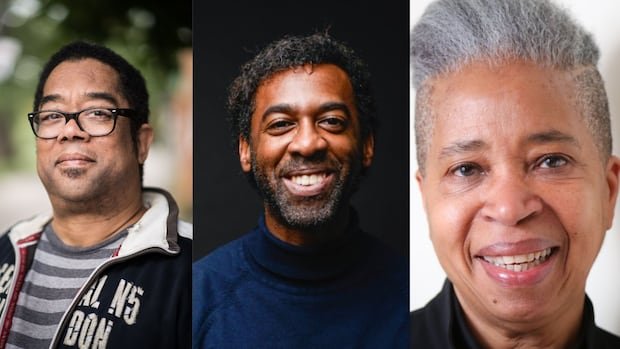
Patrick highlighted three books by Black Canadian authors that he believes are modern classics or have the potential to become one: Dionne Brand’s “What We All Long For,” André Alexis’s “Fifteen Dogs,” and Ian Williams’s “You’ve Changed.” In a discussion with Antonio Michael Downing on The Next Chapter, Patrick shared his reasoning for selecting these works.
Regarding Dionne Brand’s “What We All Long For,” which won the 2006 National Book Award, Patrick described it as a portrayal of four second-generation Canadians navigating life in Toronto. The novel’s urban setting and Black diasporic perspective offer a fresh take on Canadian literature, showcasing the power of diverse lived experiences in fiction.
André Alexis’s “Fifteen Dogs,” a recipient of the 2017 Canada Reads and the 2015 Scotiabank Giller Prize, explores the consequences of granting human intelligence to dogs. Patrick praised the book for its philosophical depth and fast-paced narrative that leaves a lasting impact on readers, highlighting Alexis’s skill in blending complex ideas with engaging storytelling.
Ian Williams’s “You’ve Changed,” though relatively new, has the potential to become a modern classic, according to Patrick. The novel delves into the complexities of marriage and race, playing with narrative form to depict a couple’s unraveling relationship. Williams’s adeptness at structuring his storytelling and tackling sensitive themes sets the book apart as a potential standout in Canadian literature.
In conclusion, these three works by Black Canadian authors redefine the landscape of Canadian literature, offering unique perspectives and pushing boundaries in storytelling. From Dionne Brand’s authentic portrayal of urban life to André Alexis’s philosophical musings and Ian Williams’s narrative experimentation, these novels showcase the richness and diversity of Black voices in the Canadian literary scene.