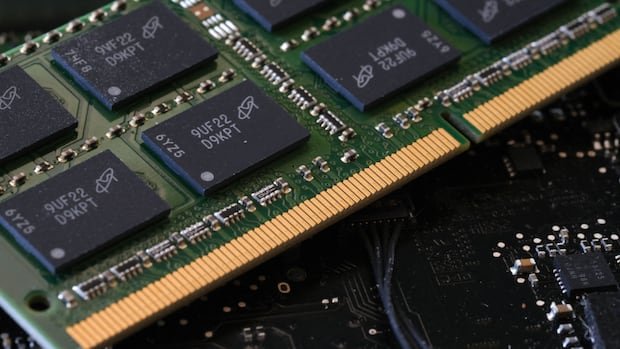


The surge in artificial intelligence investment has resulted in a scarcity of global memory chip supply, posing a significant challenge for consumer electronics firms worldwide. The deficit of random access memory (RAM), an essential component in modern devices, is anticipated to escalate prices and lead to shipment delays for products ranging from laptops and smartphones to gaming consoles and vehicles.
According to Willy Shih, a management practice professor at Harvard Business School, the substantial increase in investments in AI data centers is absorbing a significant portion of the market, affecting memory chip availability. The three primary manufacturers of RAM globally are Samsung and SK Hynix from South Korea, along with Micron Technology from the U.S.
These companies have redirected their production towards high-bandwidth memory used in AI applications, resulting in a shortage of traditional DRAM and flash memory for consumer electronics. Efforts are underway to expand production capacity to meet the rising demand, but this process will take time to rectify.
Consumer electronics giants, including Apple, Qualcomm, Intel, HP, and Dell, are already feeling the impact of the memory chip shortage, with some attributing weaker forecasts and price hikes to the supply constraints. As prices surge and availability dwindles, there are concerns that major video game manufacturers may delay releases or increase prices to offset higher input costs caused by the shortage.
Companies like Framework, a repairable computer manufacturer in the U.S., have opted to absorb the increased memory costs rather than passing them on to consumers by selling memory modules at cost. The memory shortage is expected to persist throughout the year, with potential long-term implications if manufacturers are compelled to revert their focus back to consumer memory production.