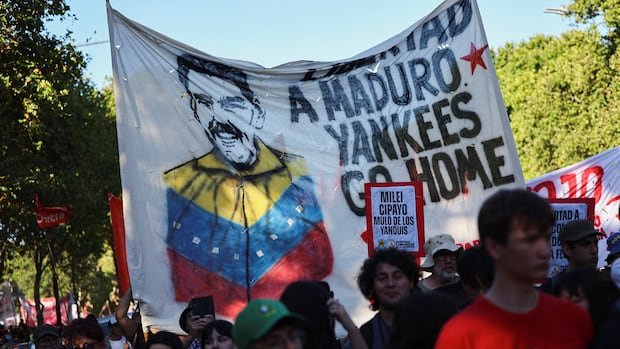


After removing Venezuelan President Nicolás Maduro over the weekend, U.S. President Donald Trump expressed optimism that U.S. oil companies would invest in Venezuela, generating substantial profits for both themselves and the Venezuelan populace. Trump emphasized the desire to “reclaim the oil,” which he believed should have been done long ago.
Venezuela boasts the largest proven oil reserves globally, but the issue of ownership and exploitation rights remains contentious due to historical complexities. The country nationalized its oil industry many years ago, leading to the expropriation of major U.S. oil assets in 2007, resulting in the expulsion of two out of three American companies from Venezuela.
Ongoing legal battles persist over the substantial compensation claims made by these companies against Venezuela. Therefore, the immediate return of these companies remains uncertain given the prevailing circumstances.
The tenure of Hugo Chavez, who assumed the presidency in 1999, marked a significant shift in Venezuela’s stance towards U.S. influence. Chavez, a self-proclaimed Marxist and anti-imperialist, initiated a series of nationalization measures targeting the oil sector dominated by U.S. giants like ConocoPhillips, ExxonMobil, and Chevron.
Chavez’s administration expanded the state’s control over oil operations, compelling foreign companies to relinquish operational control to the state-owned Petróleos de Venezuela S.A. (PDVSA) and accept minority ownership stakes. Consequently, Venezuela gained control of a substantial portion of oil projects, particularly in the lucrative Orinoco River Basin.
Despite Chevron’s continued presence in Venezuela, operating under special license amidst U.S. sanctions, ConocoPhillips and ExxonMobil failed to reach agreements with the Venezuelan government, leading to their departure from the country. The expropriation of assets triggered a prolonged legal battle for compensation, with ExxonMobil and ConocoPhillips pursuing multi-billion dollar claims against Venezuela through international arbitration bodies.
Trump’s recent statements suggesting a swift return of U.S. oil companies to Venezuela overlook the complexities involved in revitalizing the country’s deteriorating oil infrastructure. Experts estimate that reviving Venezuela’s oil industry to its former glory would necessitate substantial investments exceeding $100 billion and a decade-long effort.
Amidst uncertainties, U.S. companies are deliberating the feasibility and safety of reinvesting in Venezuela. Chevron remains focused on ensuring the well-being of its Venezuelan employees, refraining from discussing expansion plans, while ConocoPhillips adopts a cautious stance regarding future investments.
The current geopolitical landscape indicates a significant shift in control over Venezuela’s oil resources, as affirmed by U.S. officials like Stephen Miller and Secretary of State Marco Rubio. The imposition of a comprehensive embargo on Venezuelan oil trade underscores the heightened influence of external actors in determining the country’s energy sector direction.