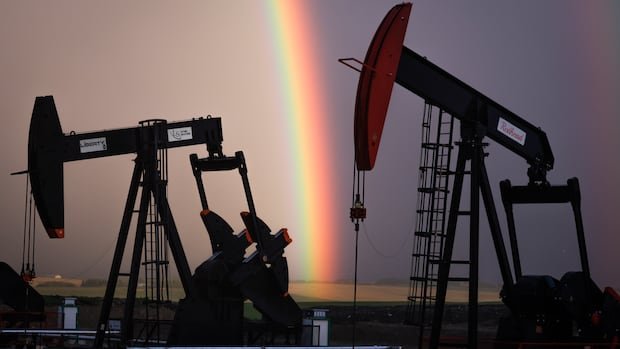


A change in leadership in Venezuela could potentially revive the country’s oil industry while posing a challenge to the thriving Canadian oil sector. Canada’s oil industry has shown resilience in the face of low commodity prices, with production steadily increasing as oilsands operations expand.
Following the removal of Nicolás Maduro in Venezuela by the U.S., Canadian energy company stocks experienced a sharp decline. Speculation arises that Venezuela’s oil industry could undergo a revival with U.S. involvement, potentially impacting the Canadian sector in the long term.
Venezuela possesses the world’s largest oil reserves, mainly heavy crude similar to that produced in Western Canada. The country’s historical peak production of 3.7 million barrels per day in 1970 declined due to sanctions and ineffective government policies, averaging around 900,000 barrels per day in recent years.
Canada currently produces nearly five million barrels per day, primarily exported to the U.S. A resurgence in Venezuelan oil production could present a future risk to Alberta’s oil-dependent economy, contingent on significant investments and stable governance in Venezuela.
The White House is urging U.S. oil executives to reinvest in Venezuela, though uncertainties surrounding the political landscape may deter substantial capital commitments. Canadian oil exports to the Midwest and other regions are well-established, creating barriers for Venezuelan oil to compete in those markets.
With the potential redirection of Venezuelan oil to the U.S. Gulf Coast, China may seek alternative sources, opening up opportunities for Canada to increase crude oil exports to Asia. This scenario could support the case for additional pipelines to the West Coast or enhancements to the existing infrastructure.
While the immediate impact of the Venezuelan situation on the Canadian oil industry may be limited, the industry continues to face challenges from layoffs and volatile prices. Political instability remains a factor influencing oil prices, emphasizing the need for resilience and adaptability in the ever-evolving energy market landscape in 2026.