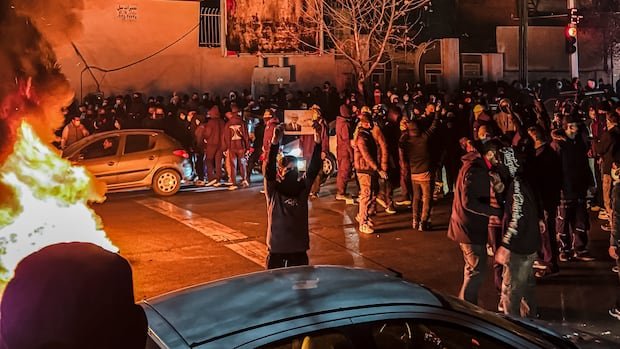


Iran is facing a significant challenge to its clerical rule, experts warn. Nationwide protests erupted in late December over rising prices and have since evolved into broader anti-government demonstrations targeting the clerical leadership that has governed Iran for almost five decades.
The unrest has resulted in over 2,000 deaths, with the U.S. threatening military action and Iran vowing retaliation if attacked. Internet and phone services have been disrupted, and global rallies in support of the protests have taken place.
Simultaneously, pro-government demonstrations, involving tens of thousands of supporters, have surfaced as a response to the widespread protests challenging the country’s theocratic regime.
Observers note that these protests are distinct due to their economic origins, driven by financial hardships. The situation is described as extraordinary, with ordinary Iranians defying risks to demand freedom.
The demonstrations initially sparked by high inflation quickly escalated into a broader movement fueled by economic challenges, including the fallout from a recent war with Israel and the reimposition of UN sanctions on Iran’s nuclear program.
Economic disparities, mismanagement, and corruption have exacerbated discontent among Iranians, leading to widespread calls for political change and expressions of support for figures like Reza Pahlavi, the exiled son of Iran’s last shah.
Iran’s response to the protests has been met with international concern, with reports of severe crackdowns and human rights violations emerging. The U.S. has also been involved, with President Trump issuing warnings to Iran and offering support to the protesters.
While the protests mark a significant challenge to the Iranian regime, experts suggest that internal dynamics and a potential leadership transition may play a crucial role in shaping the country’s future. Despite the regime’s firm stance, protesters continue to display resilience and determination in the face of oppression.
Tag: rewrite-pending