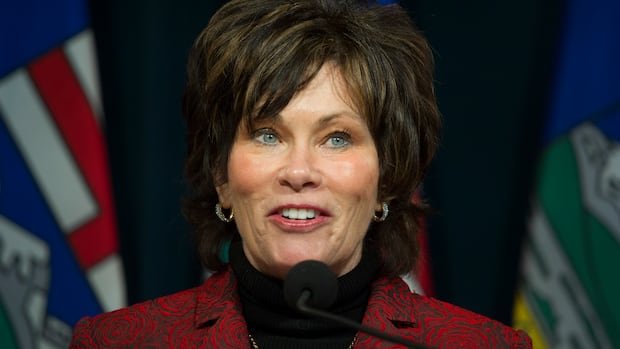


A former Alberta energy minister expressed doubts about the feasibility of a proposed bitumen pipeline to the northwest B.C. coast without government support. Sonya Savage indicated that the chances of a private sector proponent stepping forward are close to nil. The cautionary statement follows Premier Danielle Smith’s call for Ottawa to expedite approval for the pipeline, citing geopolitical developments such as the U.S. involvement in Venezuela and its potential impact on oil production.
Smith recently sent a letter to Prime Minister Mark Carney urging swift approval of Alberta’s pipeline application, aiming for a fall decision after submission to the Major Projects Office by June. She emphasized the importance of timely regulatory approvals to prevent market share loss and maintain Canada’s competitive energy position. Smith also advocated for a six-month timeline for regulatory reviews, criticizing the current two-year target set by Carney’s major projects office.
The memorandum of understanding signed by Carney and Smith in November outlined collaboration on the pipeline project, with Alberta leading the initiative but emphasizing private construction and financing. Industry experts have suggested that financial support from the government may be necessary to mitigate unforeseen cost overruns, drawing parallels to historical federal interventions in major infrastructure projects like the TransCanada mainline gas line and Enbridge’s Line 9.
While Alberta and Ottawa view the pipeline as crucial nation-building infrastructure, not all Canadian leaders share this sentiment. B.C. Premier David Eby proposed investing in a new oil refinery instead of the pipeline, arguing for greater self-sufficiency in oil production and refining. Savage dismissed the refinery idea as economically unsound, highlighting the logistical challenges of transporting refined oil to market.
Carney’s office did not immediately comment on Smith’s push for accelerated project approvals. The Prime Minister’s Office reiterated Carney’s confidence in the competitiveness of Canadian oil, citing its low-risk and low-cost profile. The Canadian energy sector experienced volatility following the turmoil in Venezuela, contributing to a downward trend in oil prices since the beginning of last year.
The evolving geopolitical landscape and economic considerations continue to shape discussions around energy infrastructure development in Canada.