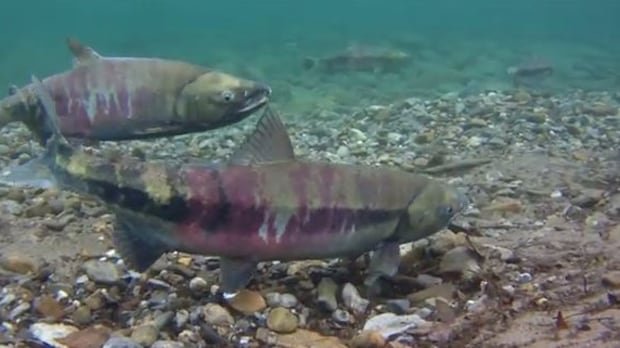


The Alaska Board of Fisheries has decided to decrease chum salmon fishing by 30% in southwest Alaska. Indigenous communities in Alaska have been experiencing food insecurity due to the dwindling salmon population in the Yukon River, and they view this reduction as a positive initial measure.
One such community heavily impacted by the salmon decline is Beaver, a remote village located along the Yukon River in the interior of Alaska. For years, chum salmon has been a vital food source for the residents of Beaver, especially given the significant distance to the nearest grocery store in Fairbanks, which is 170 km away by plane. Rhonda Pitka, the Chief of the Village of Beaver, highlighted the importance of salmon in sustaining their community, expressing how the 2019 fishing season was the last successful one before the “Yukon River salmon crash.”
Salmon not only serve as a fundamental food source but also hold cultural significance for the community. Pitka emphasized that salmon play essential roles in ceremonies, bartering, and sustaining cultural traditions, making their scarcity deeply distressing.
The decision to reduce chum salmon fishing was met with a split vote of 4-3 by the Alaska Board of Fisheries, indicating differing opinions on conservation efforts. Dennis Zimmermann, chair of the Yukon Salmon Sub-committee, welcomed the reduction, underscoring the ecological importance of chum salmon and their contribution to the local ecosystem.
The Tanana Chiefs Conference, representing 42 villages in the Alaska interior, praised the decision as a positive step toward safeguarding Yukon River salmon populations. By limiting commercial fishing in vulnerable areas during critical periods for chum salmon, the move aims to support the fish in completing their life cycle and reaching the Yukon River. This decision is seen as an investment in ensuring the sustainability of salmon populations for future generations, addressing the pressing issue of food scarcity and insecurity in the region.