

In the recent past, the Trump administration praised the increasing influence of nationalist European parties. However, many of these party leaders have strongly opposed Trump’s aggressive attempts to acquire Greenland for the United States. Trump challenges Denmark’s historical claim over Greenland, leading to widespread discontent and diplomatic efforts among European leaders, encompassing both liberal and conservative figures.
The U.S. administration’s confrontational stance towards Europe, particularly evident in the Defense Secretary Pete Hegseth’s criticism of security on the continent and Vice-President JD Vance involving himself in the internal politics of key European allies, marks a significant shift in approach compared to previous administrations. Vance’s meeting with the far-right Alternative for Germany (AfD) leader, Alice Weidel, and his disagreement with Germany’s intelligence report classifying AfD as an extremist group have stirred controversy.
Weidel has condemned Trump’s actions regarding Greenland, stating that it breaches his promise not to interfere in other countries. Similarly, Tino Chrupalla from AfD criticized Trump’s methods as reminiscent of the “Wild West.”
The U.S. statements, which have not excluded military options, have caused confusion in Europe. The 1951 agreement between the U.S. and Denmark grants the U.S. the right to deploy troops and construct military bases in Greenland with Danish consent. Trump’s threat of imposing tariffs on several countries over the Greenland issue has prompted the EU to contemplate countermeasures, including retaliatory tariffs and an anti-coercion instrument.
While the UK backed Farage’s campaign in 2016 for Brexit, Farage, now leading the Reform UK Party, has criticized Trump’s actions toward Greenland as a hostile act. He emphasized the need for private dialogue among friends rather than aggressive tariff threats.
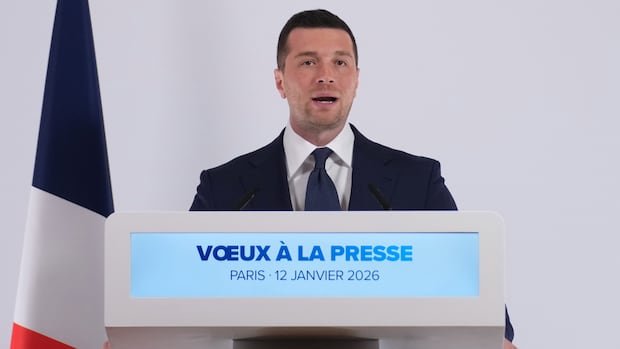
France, one of the countries facing potential tariffs from the U.S., has had a working relationship with Trump but has expressed concerns over the Greenland dispute. National Rally’s Jordan Bardella has supported some aspects of the U.S. national security strategy document but condemned Trump’s threats against European sovereignty.
Italy’s Giorgia Meloni cautioned against imposing new tariffs, labeling them a mistake. Conversely, Hungary’s Fidesz party has refrained from involvement, viewing Greenland as a matter for direct negotiations between the U.S. and Denmark, not an EU concern.