


The recent tragic shooting of Renee Nicole Good in Minneapolis marks the second such incident involving an Immigration and Customs Enforcement (ICE) officer within four months. This event has become a prominent issue as the Trump administration has emphasized an aggressive deportation strategy for ICE and other agencies.
ICE was established in 2003 under the Department of Homeland Security, following the Homeland Security Act of 2002. Its primary focus has been on removing unauthorized individuals from the U.S. and combating cross-border trafficking of migrants. The agency’s budget has significantly increased over the years, with a substantial allocation for border and interior enforcement.
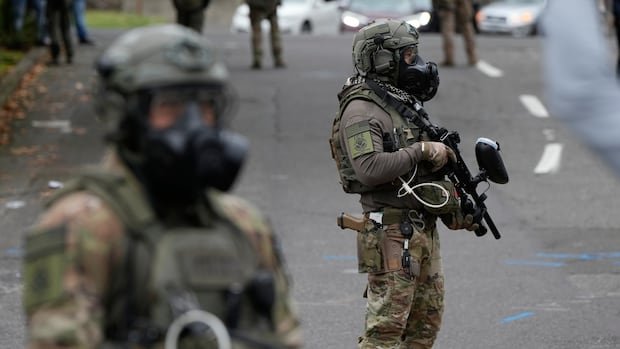
President Trump’s administration has heightened the enforcement side of immigration bureaucracy compared to previous administrations. The administration’s goal of achieving one million deportations annually has led to increased scrutiny of ICE tactics, including the use of chemical agents and raids involving forceful measures.
Despite the rise in ICE-involved shootings, there have been no indictments of ICE agents. Federal agents are generally immune from state prosecution while on duty, presenting challenges for legal action against them. Calls for changes in qualified immunity for ICE agents have emerged, as Trump’s administration has favored a tough stance on law enforcement.
The investigation into the recent shooting of Renee Nicole Good is ongoing, with officials asserting that the incident was a response to domestic terrorism. This event highlights the complexities and controversies surrounding ICE operations during the Trump administration’s second term.