
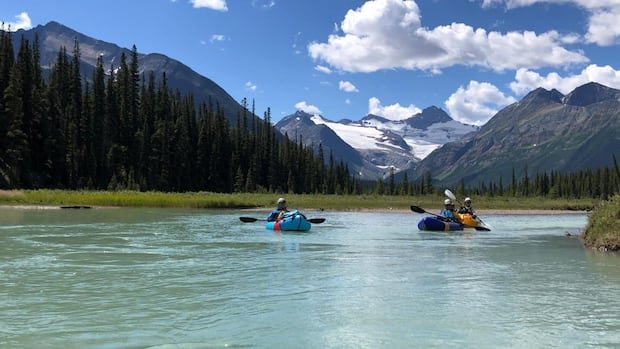


In Alberta’s mountain national parks, the threat of aquatic invasive species (AIS) is leading to the closure of numerous lakes and rivers to watercraft, prompting paddlers to advocate for a more collaborative approach in addressing the issue.
Starting this spring, water bodies in Jasper National Park, along with Banff, Yoho, Kootenay, and Waterton Lakes, will be divided into three zones, each with distinct regulations for water activities. While some popular spots remain accessible to paddlers, the restrictions primarily impact the backcountry.
Andrew Loughlin, a seasoned whitewater enthusiast based in Jasper for over two decades, expressed his dismay over the new regulations in a letter to Parks Canada. He lamented that many of the park’s cherished locations accessible by boat are now inaccessible, estimating that more than 75% of navigable waterways in Jasper are now restricted.
The decision follows the recent confirmation of whirling disease in Lake Louise, attributed by Parks Canada to human activities on the lake. This disease, also found in Banff and Yoho, causes deformities in young fish species like salmon, whitefish, and trout, posing a significant threat to fish populations.
Dave Argument, a resource conservation manager at Parks Canada, emphasized the urgency of acting to prevent the further spread of whirling disease, noting the challenges of removing invasive species once introduced. He highlighted the role of watercraft and fishing gear in the spread of AIS.
While certain water bodies, like the Athabasca River, remain open for recreation, backcountry routes with more advanced rapids are mostly closed to watercraft and fishing activities. Parks Canada has implemented a zoning system to manage water activities effectively while safeguarding aquatic ecosystems.
Paddlers, including Matthew Bruce, president of Packraft Canada, are concerned about the impact of these restrictions on their activities. Bruce emphasized the need for biosecurity measures and suggested that enhanced permits or gear inspections could have mitigated the risks associated with invasive species.
As park visitors adapt to the new regulations, stakeholders like packrafters are advocating for a role in shaping future policies to protect water bodies and prevent the spread of AIS. Sharing experiences and complying with restrictions are seen as crucial steps in fostering advocacy and preservation efforts within national parks.