


Welcome to our weekly newsletter focusing on environmental trends and solutions driving us toward a more sustainable world. I’m Nicole Mortillaro, a proud cat enthusiast with three furry companions. While I adore my cats, I keep them indoors to safeguard both them and the environment. Ever wondered about the impact of unsupervised outdoor cats on birds and why some owners allow it?
This week, we delve into the following topics:
– Cats’ significant bird predation
– The potential return of a robust El Niño event
– Findings revealing functional discarded electronics in Canada
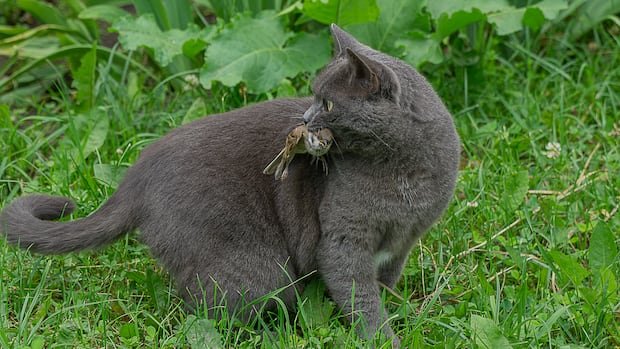
Cats are adept hunters, posing a threat to local wildlife when allowed to roam freely outdoors. Studies estimate that cats in Canada, numbering around nine million, are responsible for killing millions of birds annually. Recent research from the University of Guelph suggests outdoor cats may kill between 19 and 197 million birds each year in Canada. This significant margin in estimates is due to various factors and uncertainties involved in calculating the exact numbers.
While some cat owners believe outdoor access is essential for their pets’ well-being, the impact of unsupervised outdoor cats on wildlife can be substantial. Cats are known to prey on a wide range of animals, including endangered species. Enclosures like “catios” or enriching indoor environments can provide cats with outdoor experiences while safeguarding wildlife. Researchers emphasize the importance of keeping cats indoors to prevent harm to birds and other wildlife.
In other news, the U.S. National Oceanic and Atmospheric Administration anticipates the return of a potent El Niño event, potentially leading to global temperature rises and extreme weather patterns. Additionally, a recent study by the University of Waterloo reveals that nearly two-thirds of consumer electronics in Canada are replaced prematurely, contributing to a growing e-waste crisis. Proper recycling of electronics is crucial to mitigate environmental and health risks associated with e-waste disposal.
For more insights on these topics and environmental updates, stay tuned for our next newsletter.
– Nicole Mortillaro