

At The Birds & Beets in Vancouver, Matthew Senecal-Junkeer runs a cafe-restaurant that transforms from serving sandwiches and coffee during the day to offering wine and small plates at night. Senecal-Junkeer has observed a shift in customer price sensitivity between day and night operations. During the café hours, customers tend to be more price-conscious, opting for cheaper menu items over pricier options.
However, in the evening, customers at the wine bar show less hesitation in choosing higher-priced menu items, indicating a preference for a luxury experience without worrying about costs. This trend reflects a broader pattern in the restaurant industry, where higher-end establishments are faring better than quick-service restaurants, according to a report by Restaurants Canada.
The report, based on a survey of 300 members in March, reveals that full-service restaurants saw a 4.6% increase in real sales in January compared to the previous year, while quick-service restaurants experienced a 2% decline. Fine dining restaurants, accounting for about 1% of the industry, showed the most growth in traffic in 2025.
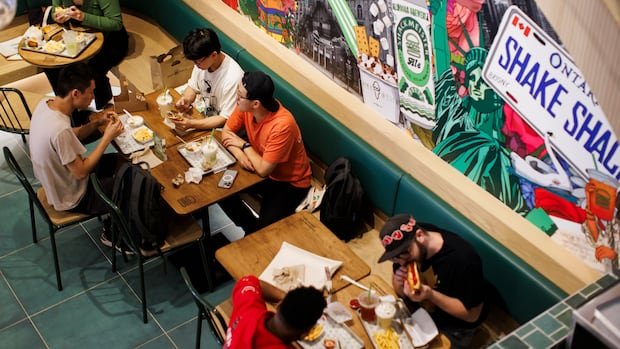
Despite the relative success of fine dining, the industry as a whole faces challenges. Many restaurants report lower sales and declining profitability, with quick-service restaurants being particularly hard hit. Rising fuel costs are expected to further impact restaurant expenses and consumer behavior, with quick-service establishments serving as an early indicator of sector-wide challenges.
Food economist Mike von Massow suggests that quick-service restaurants are more vulnerable to economic pressures, as lower-income customers, who frequent these establishments, may cut back on dining out due to financial constraints. This shift could also affect job opportunities, especially for young individuals entering the workforce through fast-food positions.
As quick-service restaurants face increased competition from grocery stores and changing consumer habits, higher-income individuals may also opt for cost-effective alternatives, affecting the overall dining landscape. Despite these challenges, fine dining establishments like Pearl Morissette continue to thrive, offering a high-end dining experience that attracts patrons seeking a special and memorable culinary outing.