
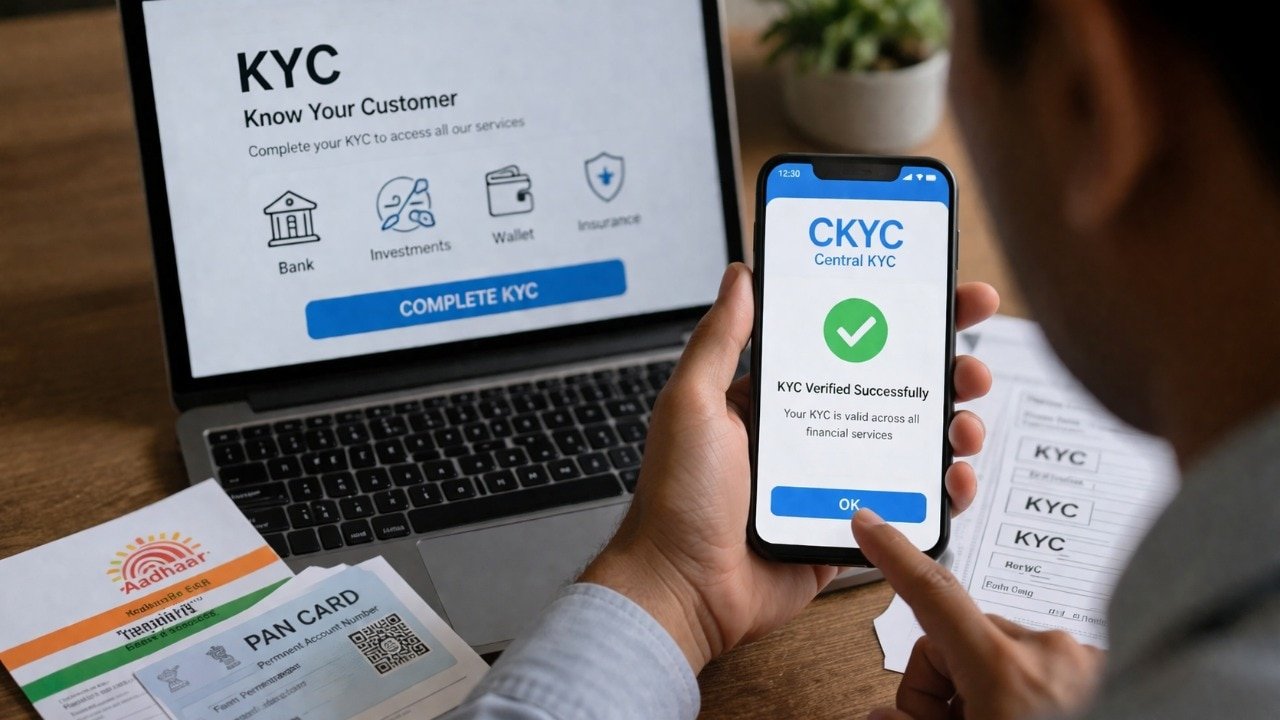

India has developed a highly advanced digital identity system that allows individuals to carry out various financial transactions without physical visits. Despite the promise of a unified identity verification system, users often encounter repetitive processes.
The Central Know Your Customer (CKYC) system was introduced to address the issue of duplication in India’s financial sector by creating a centralized registry for KYC information. However, the practical implementation of CKYC has not eliminated the need for repeated verifications across different financial institutions.
While CKYC was envisioned to streamline identity verification processes similar to how UPI revolutionized payments, it has not fully delivered on its potential. Each financial entity is required by law to conduct its own due diligence and maintain separate KYC records, even if the information is available in the central registry.
Challenges such as inconsistent data quality, lack of standardization among regulators, and limited interoperability have hindered the seamless integration of CKYC across sectors. The fragmented nature of existing systems contributes to operational delays and redundancies in KYC processes.
Despite India’s robust digital infrastructure, including Aadhaar for identity verification and DigiLocker for document storage, the lack of deep integration and regulatory alignment poses obstacles to a unified KYC system. The commercial aspect of KYC, involving data collection for profiling and marketing insights, adds another layer to the complexity of the verification process.
While KYC plays a crucial role in combating financial crimes, including fraud and money laundering, its effectiveness is limited by the persistence of manual verifications and outdated practices. KYC fatigue, arising from repetitive and time-consuming processes, raises concerns about data privacy and security.
To enhance the efficiency of the KYC system, experts emphasize the importance of integration, standardization, and real-time data updating. Establishing a fully interoperable CKYC framework, aligning KYC requirements across regulators, and implementing strong data governance and privacy safeguards are essential steps towards a more reliable and user-friendly verification process in India.