
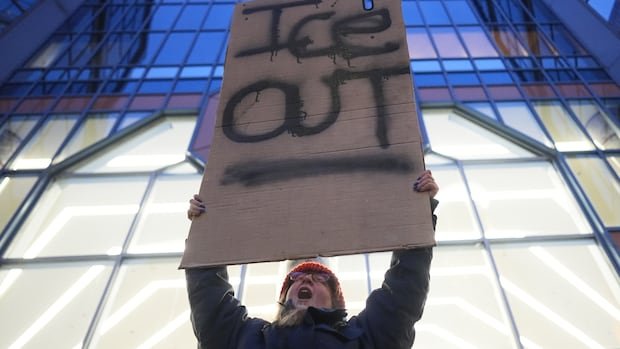

Minneapolis has become a focal point for the Trump administration’s enforcement efforts, with a large deployment of federal agents targeting criminal individuals believed to be in the U.S. illegally. President Donald Trump has dispatched federal and immigration agents to cities like Los Angeles, Washington, Chicago, and Charlotte, N.C., citing high crime rates. However, Minneapolis has experienced a more significant influx of federal agents and faced strong opposition from residents, leading to instances of fatal violence.
The deployment of federal agents to Minnesota’s twin cities of Minneapolis and St. Paul began in early December. Subsequently, the U.S. Department of Homeland Security (DHS) announced the addition of 2,000 more federal agents to the cities on Jan. 6. This move sparked widespread protests, with residents demanding the departure of ICE from their city. Tragically, two U.S. citizens have been shot and killed by ICE agents in Minneapolis, and a five-year-old child was detained with his father.
ICE agents initially targeted the University of Minnesota in a fall operation linked to alleged fraud. This operation, named Operation Metro Surge, aimed to apprehend “worst criminal illegal aliens.” President Trump’s disparaging remarks against Somali immigrants further fueled tensions. The state, known for its large Somali immigrant population, witnessed multiple ICE raids and arrests in December, drawing condemnation from local lawmakers like Rep. Ilhan Omar.
The Trump administration’s decision to surge an additional 2,000 ICE agents into Minneapolis on Jan. 6 marked the largest immigration operation by the agency. This crackdown followed various fraud scandals in Minnesota, including a significant pandemic food fraud scheme involving Somali Americans. Governor Tim Walz and other Democrats criticized Trump for blaming the entire Somali diaspora for the actions of a few individuals.
The surge of ICE agents led to escalating protests, culminating in the fatal shooting of Renee Nicole Good by an ICE agent. While the agency claimed self-defense, video evidence contradicted their account. Subsequent incidents, including the detention of a five-year-old boy and the fatal shooting of nurse Alex Pretti, further intensified public outrage. Calls for de-escalation followed, with discussions between Trump, Gov. Walz, and Mayor Frey hinting at a potential reduction in federal agent presence.