

A disruption in global shipping is escalating due to the West Asia conflict, causing a surge in marine insurance costs and leading to insurers pulling back coverage in some instances. Unlike previous disruptions driven by factors like oil prices or route blockages, insurance has now become a critical determinant of ship operations.
War-risk premiums for ships navigating strategic routes such as the Strait of Hormuz have spiked from approximately 0.2–0.25% of a vessel’s value before the conflict to over 1% recently, reaching up to 3% based on the level of risk exposure. This increase translates to significant additional costs for each voyage, especially for large vessels like oil tankers valued at hundreds of crores.
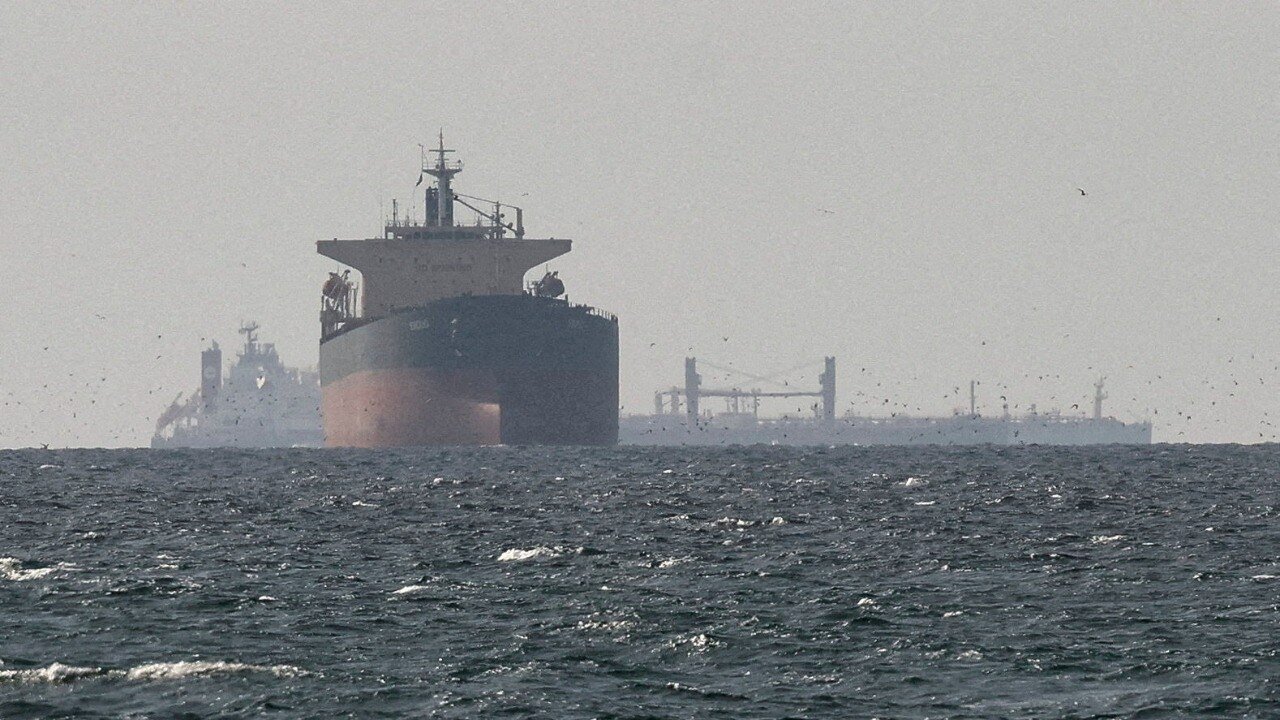
The Strait of Hormuz, handling a substantial portion of global oil trade, has become a high-risk zone amid escalating tensions involving Iran. Shipping companies are adapting to the situation by avoiding risky areas or opting for longer routes around Africa, adding substantial time and expenses to their journeys.
Major marine insurers, including protection and indemnity clubs like Gard, Skuld, and NorthStandard, have withdrawn war-risk cover for vessels in certain Gulf regions. This move is significant as insurance is crucial for various operations such as cargo financing, port access, and commercial agreements. Shipowners facing insurance withdrawal are left with the tough choice of securing alternative coverage at inflated rates or steering clear of the region altogether, both of which disrupt trade flows.
The spike in premiums has made marine insurance one of the primary cost drivers in the shipping industry, with pricing now being swiftly influenced by geopolitical developments. Insurers are continually reassessing risks, often setting policies per voyage based on the duration a vessel spends in high-risk waters.
Companies are reevaluating their insurance strategies as risks escalate, emphasizing the need for well-structured marine cargo insurance programs that explicitly cover war and strike-related risks. The surge in insurance costs not only affects shipping but also impacts freight rates, import costs, and eventually consumer prices. Delays caused by rerouting and insurance limitations are complicating global supply chains, highlighting the evolving role of insurance in shaping global trade dynamics.