
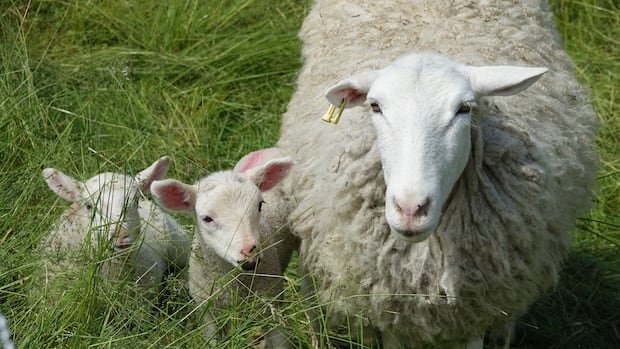

The government of British Columbia has modified its rules to grant wildlife officers increased authority to eliminate escaped or deserted domestic sheep to safeguard wild sheep populations. According to a provincial announcement, the reclassification of domestic sheep under the Wildlife Act aims to prevent the transmission of diseases that could result in significant deaths among wild herds.
Both domestic and wild sheep are susceptible to similar infectious agents, but their immune systems and disease resistance levels vary. One such bacterium, M. ovi (Mycoplasma ovipneumoniae), is commonly present in domestic sheep and goats, causing infrequent illnesses but potentially fatal pneumonia in wild sheep.
The Ministry of Water, Land, and Resource Stewardship disclosed that the bacterium can spread through grazing, shared water sources, or salt licks, leading to rapid dissemination within wild populations. Furthermore, the regulatory adjustments now classify leaving sheep on Crown land as an offense and empower the ministry to take possession of abandoned animals.