
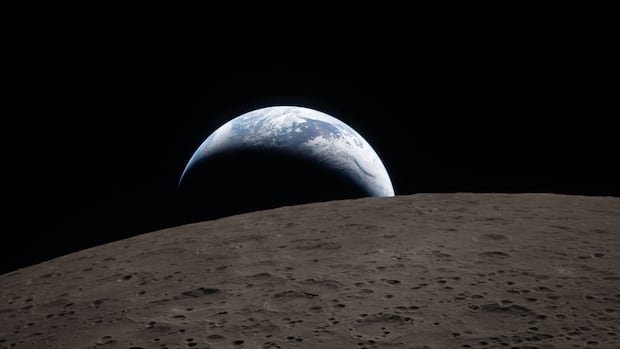

NASA is embarking on a new moonshot, aiming to return astronauts to the lunar surface by early 2028. While the task itself is not deemed impossible, the challenge lies in the tight timeline. Despite NASA contracting Blue Origin and SpaceX for lunar landers, neither company has a finalized product publicly available. SpaceX’s Starship rocket, essential for the mission, has shown progress but remains unfinished.
Given NASA’s history of project delays, meeting the 2028 deadline poses uncertainties. The recent Artemis II mission, initially planned for 2023, faced setbacks due to delays and cost overruns. Experts express doubts about NASA’s ability to achieve this ambitious goal within the specified timeframe, considering the lack of ready lunar landers crucial for the mission.
In a strategic shift, NASA postponed the Lunar Gateway space station construction and reassigned the mission to land astronauts on the moon to Artemis IV, now scheduled for 2028. However, the absence of operational lunar landers from both SpaceX and Blue Origin raises concerns about the feasibility of the revised timeline. The cancellation of the Lunar Gateway further complicates the moon landing preparations.
To complicate matters, the new spacesuits required for the mission are also delayed. Both Blue Origin and SpaceX landers must refuel in space, necessitating complex logistical operations. The need for multiple refueling launches and uncertainties around ship-to-ship fuel transfer add additional challenges to the mission’s readiness by 2028.
A critical report by the U.S. Office of the Inspector General highlighted concerns about SpaceX’s human landing system design and the lack of redundancy in critical systems. The taller stature of the new landers compared to the Apollo era poses potential risks, including tipping over during operations.
With various hurdles to overcome, including lander testing, fuel transfer demonstrations, and system readiness checks, meeting the aggressive 2028 timeline appears increasingly implausible for NASA. The race against China to land humans on the moon by 2032 adds further pressure to NASA’s lunar ambitions.