
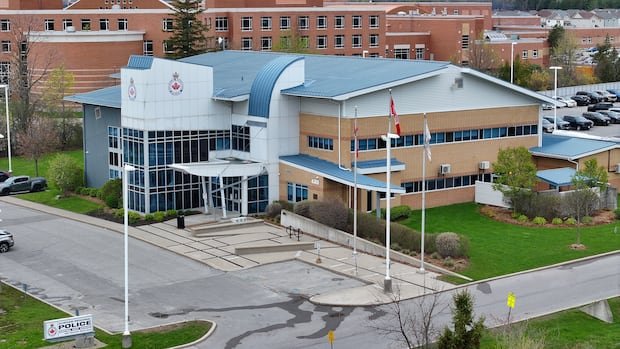

Multiple police officers in Durham Region diagnosed with post traumatic stress disorder (PTSD) have raised concerns about the service impeding their recovery by opposing their access to mental health benefits at work. Chief Peter Moreira clarified that the service questions only a few Workplace Safety Insurance Board (WSIB) claims to gather additional information about the cases. The officers’ statements come after the Ontario Civilian Police Commission released a six-year report, revealing that the Durham Regional Police Service (DRPS) consistently objected to officers’ PTSD applications to the WSIB.
Despite the redacted nature of the report due to a freedom of information request, officers who spoke with CBC News mentioned ongoing resistance from the service under Chief Moreira’s leadership, which began in March 2023. The officers, who have chosen to remain anonymous, expressed disappointment and frustration with the lack of support they expected from the service given their dedication to helping others. They emphasized that the service’s actions have hindered their recovery from PTSD, leading to sleep difficulties and mood swings affecting their personal lives.
The officers highlighted that the service’s rejection of their claims, despite professional medical assessments from institutions like CAMH and Trillium Health Partners, has been particularly disheartening. They questioned why DRPS challenges their claims even when supported by expert diagnoses and fitness assessments for returning to work. Psychologist Sean O’Brien, who has worked with DRPS members for nearly 30 years, emphasized the detrimental impact of baseless objections on the mental well-being of his patients suffering from severe traumatic stress injuries.
Chief Moreira defended the service’s objections, attributing them to the delays in obtaining crucial information from the WSIB promptly. He emphasized the limitations of the WSIB system in handling PTSD claims efficiently since the enactment of legislation in 2016. Despite Moreira’s stance, some officers like Stephen solely hold DRPS accountable for exacerbating their suffering, contrasting the supportive role of WSIB in their recovery journey.
As the situation unfolds, the officers hope for a more empathetic approach from the service regarding their mental health challenges, emphasizing the need for timely and supportive responses to facilitate their healing process. The ongoing struggle between the officers and the service underscores the complexities surrounding mental health support in law enforcement agencies, sparking broader discussions about the well-being of first responders facing traumatic experiences in their line of duty.