
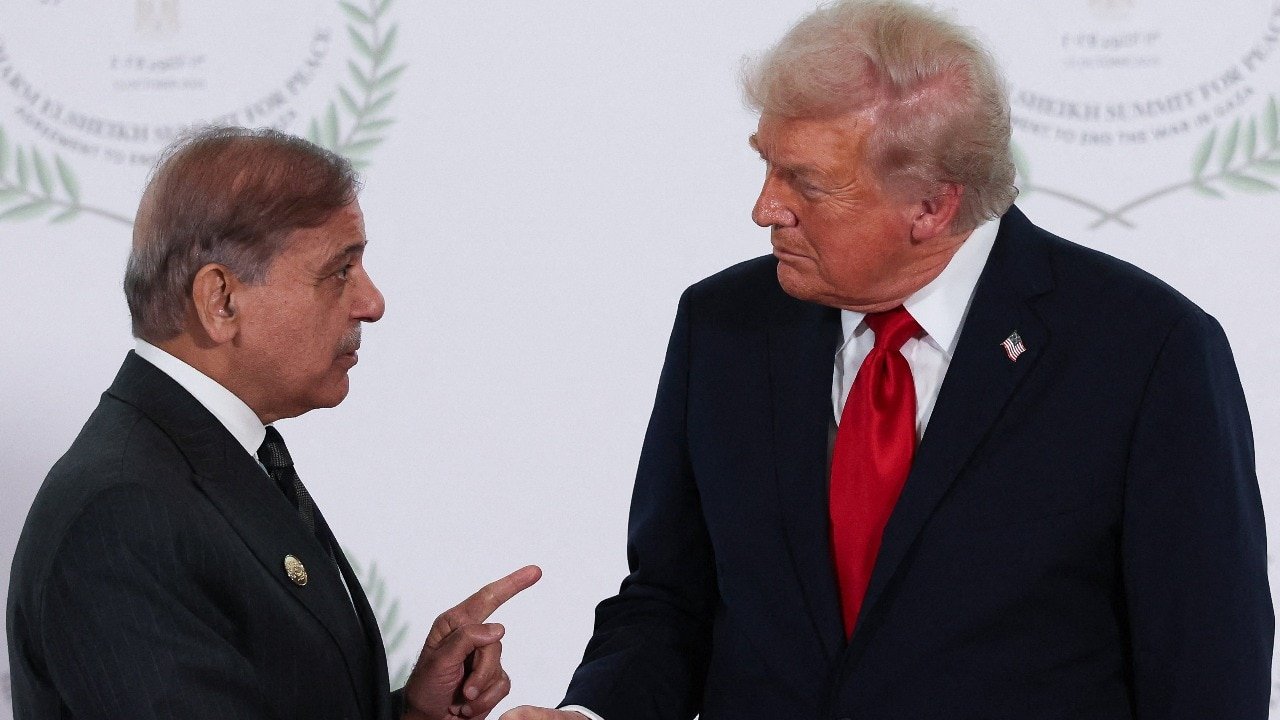

Pakistan’s recent efforts to mediate peace between the US and Iran have come under scrutiny. While Pakistan positioned itself as a peacemaker, reports suggest that the White House influenced Islamabad to broker a temporary ceasefire with Iran. This move has raised concerns about Pakistan’s neutrality, with critics viewing it more as a conduit for US interests rather than an independent mediator.
The Trump administration, pressuring Pakistan, sought to persuade Iran to agree to a pause in hostilities, particularly focusing on reopening the crucial Strait of Hormuz. Pakistan’s role in presenting the proposal aimed to leverage its status as a Muslim-majority state to garner acceptance from Tehran.
The back-channel negotiations were primarily led by Pakistan’s army chief, Asim Munir, who engaged in urgent discussions with top US officials to address escalating oil prices and prevent prolonged conflict escalation.
Despite Pakistan’s attempt to portray itself as a key mediator in the ceasefire talks, it was perceived more as an intermediary. It shared a US-drafted proposal, relayed Iran’s responses, and proposed varying ceasefire timelines, reinforcing the perception of aligning with Washington’s agenda rather than pursuing an impartial peace initiative.
However, the ceasefire discussions faced challenges as internal resistance within Iran, particularly from the Revolutionary Guard Corps, complicated the negotiations. An Iranian drone strike on Saudi Arabia’s vital petrochemical hub further heightened tensions, highlighting the fragility of the truce and the potential for conflict escalation.
Pakistan’s role in the peace talks has been questioned, with doubts arising about its ability to influence outcomes significantly. The country’s strategic balancing act between Saudi Arabia and Iran has been viewed as cautious, aiming to maintain relevance without taking substantial risks to shape the peace process.
The unresolved issues surrounding the Strait of Hormuz and ongoing tensions in the region pose significant obstacles to a lasting ceasefire. While Iran has shown willingness to engage in discussions, uncertainties persist about the sustainability of the current ceasefire amidst competing interests, lingering distrust, and complex geopolitical dynamics.