

A recent ruling from B.C.’s Environmental Appeal Board (EAB) has brought attention to the interpretation of “hunting” in the case of a wildlife biologist disciplined for his actions towards an endangered caribou herd in northern B.C.
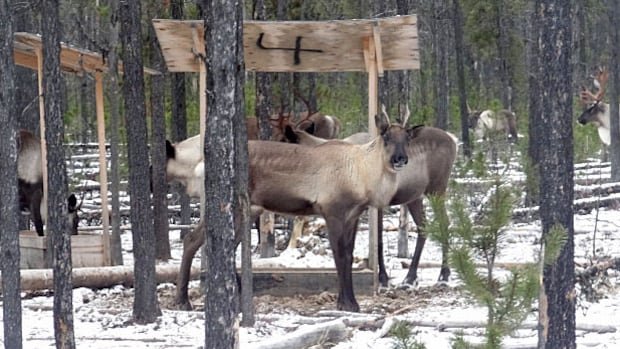
Doug Heard, a wildlife biologist formerly with the provincial government and an adjunct professor at the University of Northern B.C., has devoted the past decade to the restoration of an endangered caribou herd at Kennedy Siding, a critical 223-hectare habitat for threatened woodland caribou near Mackenzie, B.C. His methods to gather caribou hair for DNA analysis were deemed unlawful.
Heard was observed on a live webcam by Ministry of Water, Land, and Resource Stewardship personnel on November 7, 2024, using a device known as a “cable caster” to shoot small clamps, referred to as alligator clips, in an attempt to collect caribou hair for research at a feeding station. While Heard possessed a permit to collect DNA samples from hair and feces, he was prohibited from directly removing hair from the animals.
After his permit was revoked, Heard appealed the decision. In a ruling released on May 7, the EAB concluded that his actions fell within the definition of illegal hunting as outlined in B.C. law.
The Wildlife Act defines hunting as pursuing animals with the intention of capturing any part of the animal, including hair, regardless of whether the wildlife is harmed or captured. The tribunal upheld this definition.
The province argued that permitting Heard’s actions would essentially allow individuals to target and track wildlife as long as their aim was to capture specific parts rather than the entire animal. The Environmental Appeal Board supported this argument.
Heard contended that his use of the cable caster was less intrusive compared to his previous methods, such as using a dart gun and a toy crossbow, which were deemed unacceptable in prior board decisions. He was advised to employ less invasive techniques for sampling opportunistically.
As of May 2, Heard became eligible to reapply for a wildlife permit. He declined to provide a comment on the ruling when contacted by CBC News.