

Asia’s wealthiest families are experiencing a significant increase in their fortunes, largely attributed to their involvement in industries supporting artificial intelligence (AI) rather than direct AI ventures. These business dynasties are capitalizing on the rising demand for various sectors such as metals, chips, banking, and real estate, showcasing their adaptability to modern trends amidst global market uncertainties.
Reported by Bloomberg, the top 10 richest families in Asia have witnessed a substantial surge in wealth in 2026, primarily driven by the growing need for AI-related infrastructure like data centers, energy resources, and raw materials. Notably, sectors like Hong Kong real estate have made a remarkable comeback, further contributing to the overall wealth growth of these family-run enterprises.
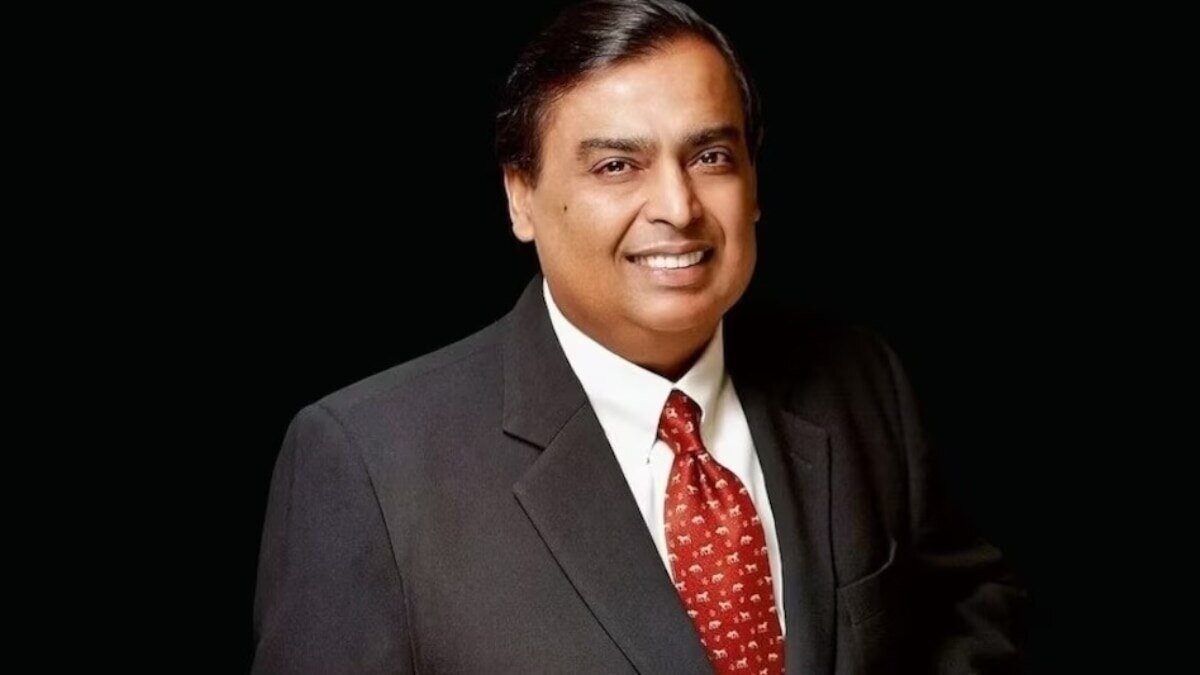
Leading the pack is the Ambani family, with an estimated net worth of around $89.7 billion, spearheaded by their flagship conglomerate, Reliance Industries. The family’s diversification into energy, telecom, retail, and financial services has been instrumental in their wealth accumulation. Mukesh Ambani’s recent announcement of investing up to $120 billion in AI infrastructure over seven years underscores their strategic vision.
In the second position, the Kwok family, associated with Sun Hung Kai Properties, boasts a fortune of $50.2 billion, closely tied to the flourishing Hong Kong property market. Despite the tech-driven landscape, real estate continues to be a significant wealth generator for families like the Kwoks, as evidenced by strategic partnerships like the one with JPMorgan at Artist Square Towers.
The Lee family, renowned for their association with Samsung, secures the third spot with a wealth of $45.5 billion. Samsung’s dominance in technology, particularly in semiconductors and smartphones, coupled with its emphasis on AI and robotics, positions the family for sustained global success.
Meanwhile, the Chearavanont family, owners of Charoen Pokphand Group and worth $44.8 billion, have expanded their small seed business into a global empire spanning food, retail, and telecom sectors. Their retail arm, CP Axtra, recently announced a substantial investment to establish multiple outlets in Southeast Asia.
The Zhang family, valued at $44.7 billion, owes their fortune to China Hongqiao Group’s prominence in the aluminum industry, a critical component for AI systems, electric vehicles, and renewable energy applications. The surge in demand for aluminum, driven by technological advancements, has significantly enriched the Zhang family.
The Tsai family from Taiwan, with a wealth of $34.3 billion, has thrived in financial services through ventures like Cathay Financial and Fubon Financial, offering stability and steady returns. In contrast, the Yoovidhya family, known for the global success of Red Bull, commands a net worth of $32.9 billion, exemplifying how a local product can evolve into a lucrative international brand.
Indonesia’s Hartono family, with a significant fortune of $30.2 billion, transitioned from tobacco to banking, a strategic move that has proven beneficial in the long run. Lastly, the Mistry and Jindal families, worth $29.5 billion and $29.4 billion respectively, are involved in infrastructure, real estate, steel, energy, and cement sectors, showcasing a blend of traditional and emerging wealth sources.
In conclusion, the evolution of Asia’s wealthiest families in 2026 highlights their agility in seizing new opportunities while preserving legacy businesses. By embracing industries linked to AI and adapting to global demands, these families demonstrate that staying relevant is just as crucial as amassing wealth.