
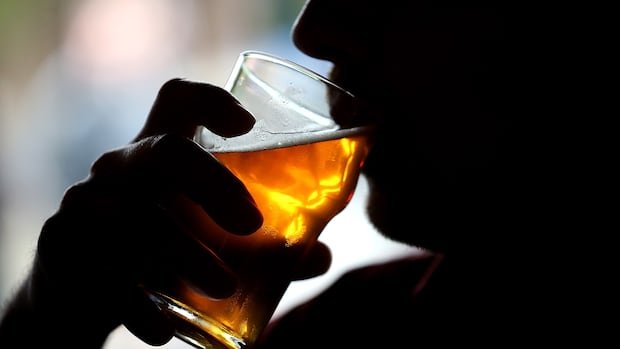

A significant number of individuals are commencing 2026 by observing Dry January, abstaining from alcohol consumption for the initial month of the year. However, recent research raises alarms regarding the alcohol intake among Canadians. While the overall consumption of alcohol has decreased in the long term, the Centre for Addiction and Mental Health (CAMH) has highlighted a concerning trend of higher alcohol quantities consumed by adults compared to pre-pandemic levels.
The latest CAMH report, released on Monday, points out that the effects of the pandemic, including lockdowns and public health measures, have sustained the patterns of alcohol use. Dr. Leslie Buckley, a psychiatrist and chief of the addictions division at CAMH, emphasized that the impact of alcohol on interpersonal relationships could lead to increased consumption. Despite the easing of social restrictions, Buckley expressed the need for fewer individuals to engage in alcohol consumption at levels linked to physical and mental harm, acknowledging the accessibility of alcohol as a challenge.
A recent survey conducted by the CAMH Monitor eReport on substance use, mental health, and well-being in Ontario revealed that a significant proportion of adults partake in alcohol consumption. Approximately 76% of legal drinking age adults in Canada reported consuming alcoholic beverages in the past year. Notably, there was an increase in daily and binge drinking in 2025 compared to pre-pandemic levels in 2019, with men more likely to engage in daily and binge drinking than women.
Alcohol consumption poses various health risks, including reduced immunity, higher cancer risks, heart diseases, and organ damage, particularly to the liver. Dr. Evan Wood, a specialist in addiction medicine at the University of British Columbia, highlighted the adverse impact of alcohol on mental health, leading to issues such as depression, anxiety, and self-harm.
Guidelines from Health Canada and the Canadian Centre for Substance Use and Addiction recommend moderate alcohol consumption to avoid health complications. However, the actual alcohol content in beverages may exceed standard limits, with pre-mixed cocktails often containing higher alcohol percentages. Concerns have been raised about the increased convenience of purchasing alcohol in various provinces, potentially contributing to higher rates of alcohol-related problems.
Despite these challenges, there has been a positive shift away from alcohol consumption, reflecting a downward trend in recent years. CAMH’s efforts are focused on encouraging individuals to rethink using alcohol for socializing or stress management, promoting physical activities, and engaging in alcohol-free social events. The aim is to continue the declining trend and foster healthier drinking habits among Canadians.