
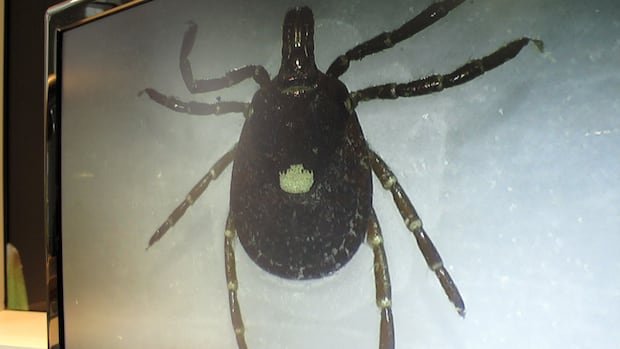

A potential threat looms as various species of ticks carrying harmful pathogens are making their way into Canada from the United States. The Government of Canada reports the presence of over 40 tick species in the country, with the blacklegged tick being the most infamous for transmitting Lyme disease. Symptoms of this disease include fever, fatigue, and a distinctive “bull’s-eye” rash. The Canadian Tick Research and Innovation Centre, led by Nicoletta Faraone at Acadia University, is at the forefront of efforts to comprehend, prevent, and control ticks and tick-borne illnesses.
The movement of ticks from the northern U.S. into Canada, advancing at about 50 kilometers annually, has raised concerns among scientists. Notably, the lone star tick, capable of inducing a severe meat allergy, has been observed but not yet established in Nova Scotia. Patty O’Brien-Carrier, a resident of Harpswell, Maine, experienced a meat allergy and anaphylactic shock after being bitten by a lone star tick. She emphasizes the importance of public awareness regarding ticks.
The Acadia research facility is actively studying ticks, including the lone star tick, to enhance understanding and develop strategies for control. The Asian long-horned tick, a potential threat to Nova Scotia’s livestock due to its ability to cause anemia in cattle, is also under scrutiny. Farmers, like Tim Marsh from Poplar Grove, remain vigilant to protect their herds from tick-related health issues, which can lead to substantial financial losses.
Faraone emphasizes the need for the development of new tick-repelling products, especially for rare tick-borne diseases like Powassan virus, which currently lacks effective treatment. Simple precautions like wearing protective clothing and conducting regular tick checks are recommended to minimize the risk of tick bites. Ongoing research at the Canadian Tick Research and Innovation Centre aims to improve preparedness for potential tick-related health challenges.