
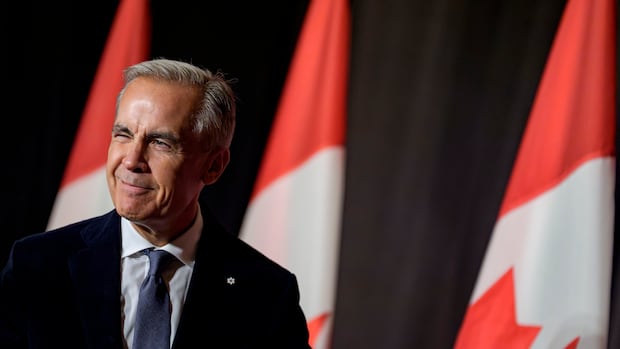

Canada presents itself as a secure and dynamic environment for business, filled with numerous major projects ready for investment — this is the message that Canadian business figures and politicians are currently conveying to some of the leading global investors.
As the Canada Investment Summit commences this week, optimism is high among Canadian representatives that international investors are beginning to recognize the country’s potential.
This multi-day event is gathering financiers from around the world, who manage trillions in assets, in Toronto for presentations about significant Canadian initiatives.
Under the leadership of Prime Minister Mark Carney, the high-profile summit includes a dinner at the Art Gallery of Ontario on Monday evening, speeches from prominent business leaders, and concluding remarks from former Prime Minister Stephen Harper.
Attendees encompass a diverse group of Canadian business executives, foreign investors, and both current and former politicians. Notable figures include C.S. Venkatakrishnan, CEO of Barclays, Jon Gray, President and CEO of Blackstone, Harry Culham, President and CEO of CIBC, and George Osborne, head of OpenAI for Countries.
On the political front, National Chief Cindy Woodhouse Nepinak, CEO of the Major Projects Office Dawn Farrell, and former Prime Minister Jean Chrétien are also part of the event.
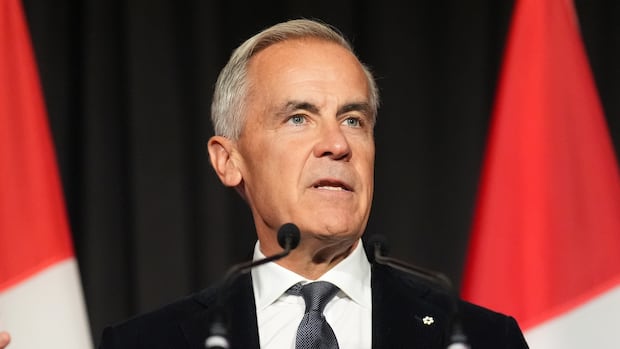
Prime Minister Mark Carney is hosting a two day investment summit in Toronto in an attempt to attract foreign capital to the country amid an escalating trade war with the United States.
While international investors have not always perceived Canada as an ideal investment destination, Goldy Hyder, President and CEO of the Business Council of Canada, indicates that this perception is shifting.
“It’s really exciting to be Canadian right now. The people I’ve spoken to are enthusiastic about what they are learning and observing,” Hyder stated.
The government has initiated actions aimed at demonstrating its commitment to large-scale developments.
On Monday, Finance Minister François-Philippe Champagne announced that the Canadian Revenue Agency would prioritize advanced income tax rulings for investments exceeding $1 billion.
This program, which is effective immediately, will provide investors clarity on how income tax regulations will apply to proposed investments before they allocate funds, thereby mitigating risk, according to a government announcement.
“Investors need certainty when evaluating major projects,” Champagne remarked.
Companies see changes
In recent years, extended approval timelines for significant projects and uncertainty regarding their approval have damaged Canada’s image with investors, as noted by business leaders.
A recent study by the CPP Investment Insights Institute gathered feedback from global investors, revealing that while Canada scores well in terms of stability, concerns about regulatory complexity and permitting timelines are significant, particularly for energy and mining projects — sectors where investors see considerable value in Canada.
However, both provincial and federal governments appear to be improving collaboration with the private sector to facilitate significant projects, according to Hyder, including engaging Indigenous nations in new initiatives.
Mark Selby, CEO of Canada Nickel Company, has also noted these changes from his perspective.
He indicated that adjustments to the permitting process have enabled his company to obtain essential federal permits for the Crawford nickel project, which features in the government’s promotional materials for the summit, in about half the time it would have taken earlier.
The 66-page promotional document acquired by CBC News last week outlined over 160 initiatives that will be discussed at the summit, with 11 categorized as shovel-ready and nearly two dozen more in advanced stages.
Frank McKenna, Deputy Chair at TD Securities and former Canadian ambassador to the U.S., mentioned that many of the projects are “fully baked” opportunities primed for financing, which could align with the current needs of investors.
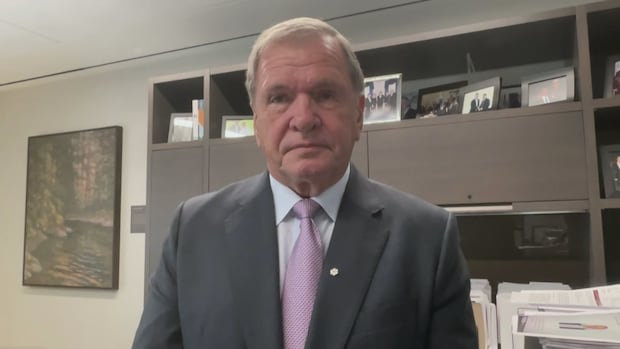
As the world’s richest investors head to Toronto next week, former Canadian ambassador to the U.S. Frank McKenna tells Power & Politics that Prime Minister Mark Carney’s investment summit is ‘more audacious and more ambitious’ than previous government attempts to attract foreign investment, especially at a time when investors are looking for reliability in the face of global uncertainty.
Despite Canada facing a period of trade tension with the U.S. — which some fear could portray Canada as less stable — McKenna argues that the global community is experiencing similar turmoil, which may actually benefit Canada.
“We represent those other options, and we represent a country with a well-established legal framework and stability,” McKenna stated on CBC’s Power & Politics last Friday.
“All of that contributes to making us an appealing … alternative investment destination.”
Deals could take time
Selby is looking for $2 billion to help finance the Crawford mining project mentioned in the prospectus, but he does not anticipate securing it during the two-day summit.
“For most mining enterprises, the summit serves more as an opportunity to open doors,” Selby remarked.
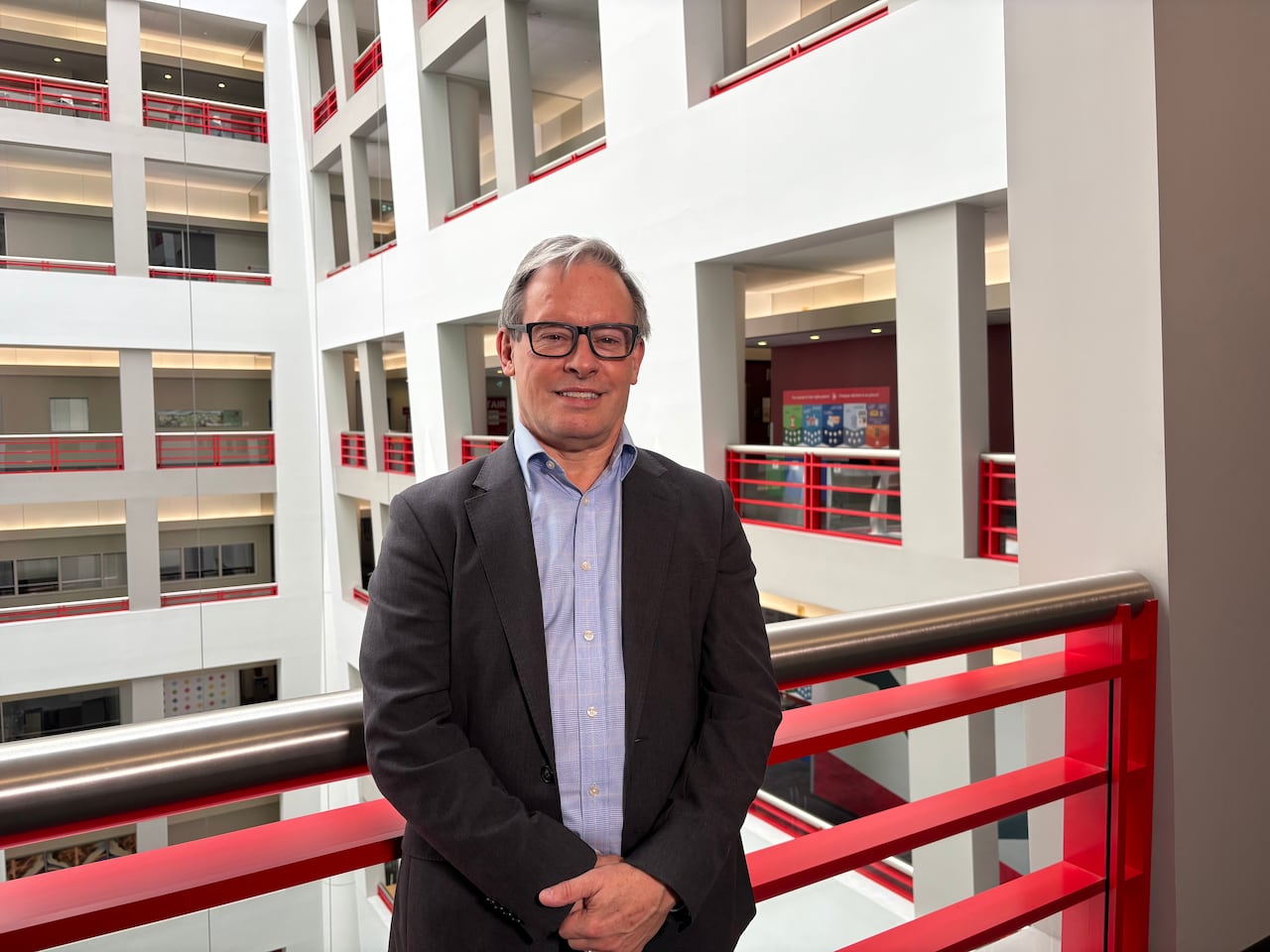
Mark Selby, CEO of Canada Nickel Company, asserts that the government’s efforts to enhance Canada’s appeal to businesses are yielding positive results. (Abby Hughes/CBC)
He believes that larger international investors may not be inclined to invest in projects requiring only a few billion, like his. Nevertheless, he notes that the prime minister’s involvement will improve the attractiveness of Canadian industries, including mining, and will pave the way for future opportunities.
Industry Minister Mélanie Joly expressed optimism that “promising deals” and memorandums of understanding for future investments would result from the summit, although the full effects of these agreements may take time to manifest.
<p"What I'm hearing based on numerous discussions I've had indicates a strong momentum," Joly stated. "We will observe the results of this summit in three months, six months, or a year."
New Brunswick Premier Susan Holt reinforced this sentiment, describing the interactions at the summit as akin to a “first date.”
“It’s a process of getting to know each other, ensuring that they’re a suitable match, as we are for them,” Holt explained.
She believes that success will be reflected in subsequent meetings that lead to formal agreements.