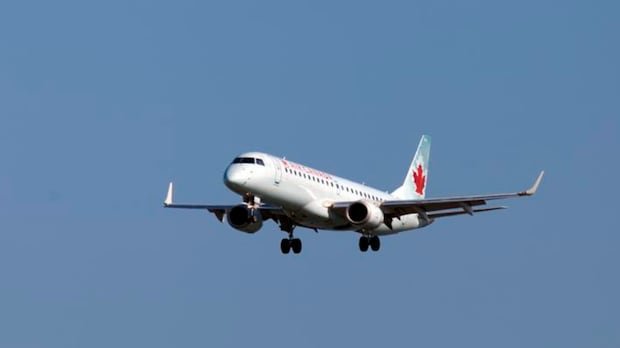


Severe clear-air turbulence is on the rise, posing increased risks for air travelers, with climate change identified as a significant contributing factor. Research indicates a growing connection between warming temperature patterns in the upper atmosphere and the uptick in clear-air turbulence incidents. Unlike traditional turbulence caused by storms or geographical features, clear-air turbulence can occur unexpectedly even in clear skies, making it challenging for pilots to predict and avoid.
Experts point to the warming jet stream, a high-altitude wind current crucial for aviation, as a key player in intensifying clear-air turbulence. The collision of warmer equatorial air with cooler air near the jet stream’s edge generates wind shear, leading to turbulent conditions. This phenomenon is exacerbated by climate change, with the jet stream becoming windier and more turbulent. Studies show a significant increase in severe clear-air turbulence over regions like the North Atlantic and North America compared to four decades ago.
Efforts to improve turbulence forecasting have seen advancements in modeling techniques, aided by enhanced satellite observations and a better understanding of turbulence dynamics. However, the ability to predict turbulence still lags behind its escalating occurrence, highlighting the urgency for more effective mitigation strategies. The projected future scenario suggests a potential doubling of severe clear-air turbulence incidents if emissions remain unchecked, underscoring the need for proactive measures to enhance aviation safety.
In response to the escalating turbulence challenges, researchers are exploring innovative approaches inspired by nature. Studies on bird flight behaviors have shown promising insights into enhancing aircraft stability during adverse flying conditions. By mimicking certain aerodynamic features of birds, such as covert feathers, researchers have identified potential design modifications that could improve aircraft performance in turbulent environments. While these bio-inspired solutions are still in the experimental phase, they offer a glimpse into future possibilities for enhancing flight safety and efficiency.