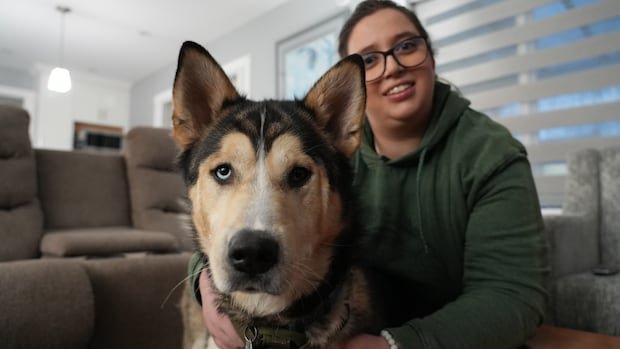


A woman named Sara Bell took her two-year-old husky, Nilak, to North 40 Park Reserve in Delta, B.C. During their walk, Nilak swallowed a napkin he found on the ground. Bell tried to retrieve it but was unsuccessful. Nilak, who has a liver condition called Portosystemic Shunt, began behaving oddly. Concerned, Bell rushed him to a vet where it was discovered that Nilak had ingested cocaine. After receiving treatment, Nilak recovered.
Shocked and scared for her dog, Bell shared the incident on social media and was surprised by the number of people who shared similar experiences of their dogs ingesting drugs they found on walks. Mia Riback recounted a similar incident where her dog ingested hashish at a campground in Squamish, resulting in a costly emergency vet visit.
Melissa White also shared her experience of her dog ingesting cannabis at the same park years ago. She emphasized the importance of vigilance when taking pets out, as incidents like these can happen unexpectedly.
Veterinarians have observed an increase in dog overdose cases, with Dr. Tracy Fisher noting a rise in incidents related to illicit substances. Owners are advised to seek immediate veterinary care if they suspect their dog has ingested drugs. Signs to watch for include imbalance, difficulty walking, twitching, vomiting, or urinary incontinence.
Dr. Heather James of the Society of B.C. Veterinarians highlighted the potential dangers of dogs consuming contaminated human feces in urban areas, leading to multiple drug exposures. Vets use human drug tests to identify substances ingested by dogs and administer appropriate treatment to counteract the effects.
Overall, pet owners are urged to be cautious during walks and promptly inform veterinarians if their dog has ingested any substances, whether prescription medications or illicit drugs. Early intervention can significantly increase the chances of a successful outcome for the affected animals.