


Iran dismissed any involvement in Pakistan-mediated talks to resolve the ongoing conflict, emphasizing that such discussions were independent and Tehran had no part in them. The Iranian Foreign Ministry spokesperson, Esmail Baghaei, clarified that there were no direct negotiations with the United States, stating that Iran had only received what they deemed as unreasonable demands through intermediaries.
“Pakistan’s discussions are separate; we did not take part,” the statement highlighted, while also acknowledging the importance of regional initiatives to end the conflict, with a reminder of the conflict’s origins.
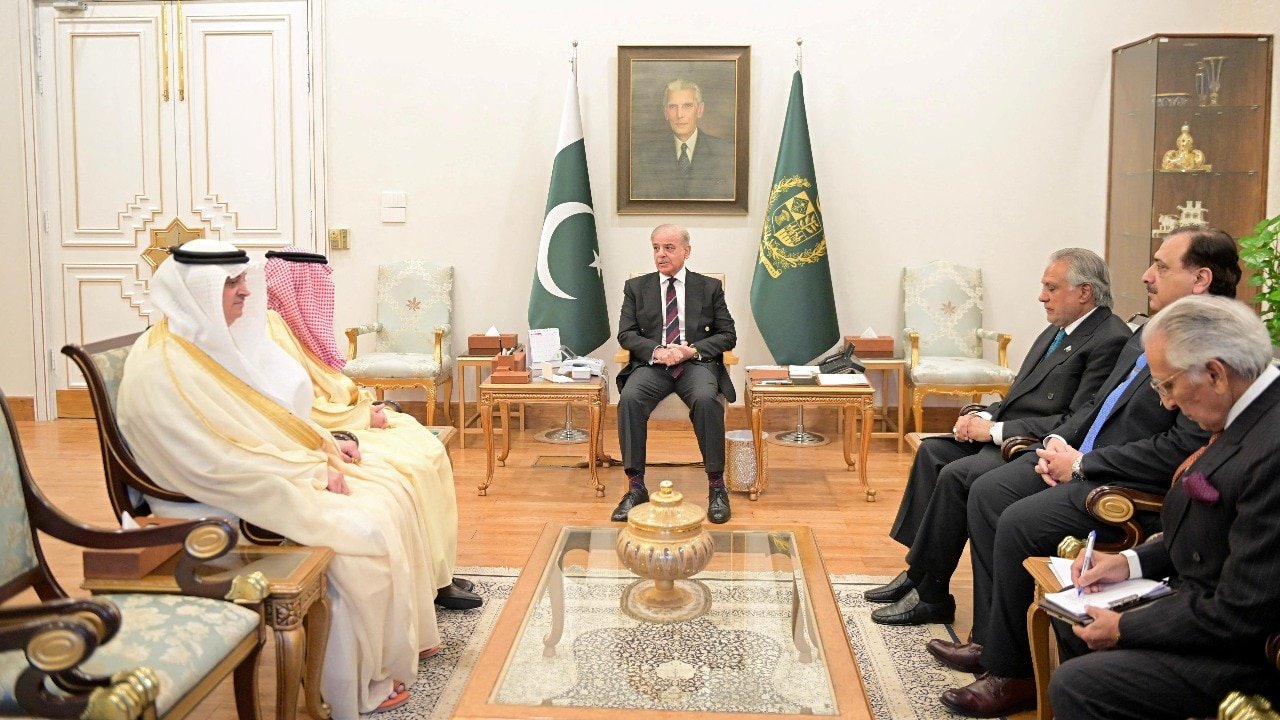
This statement followed Pakistan’s announcement of hosting potential talks between the US and Iran, although there was no immediate confirmation from either Washington or Tehran, leaving uncertainties about the nature of the discussions. Despite Pakistan’s offer to facilitate meaningful talks, Iran’s UN mission chose not to comment, adding to the ambiguity surrounding the diplomatic efforts.
Iran labeled the US proposal it received as excessive and unrealistic, reiterating its stance of not engaging in direct negotiations with Washington. As diplomatic efforts reportedly involve Pakistan, the possibility of any direct engagement remains uncertain.
In a different development, President Trump issued warnings of potential escalation if a deal is not reached promptly and the Strait of Hormuz is not reopened. He threatened to target Iran’s power plants, oil wells, Kharg Island, and even suggested the idea of seizing Kharg Island. These statements come amidst troop build-ups in the region by the United States, despite Trump’s claims of progressing negotiations.
Iran’s parliament speaker voiced skepticism about diplomacy, suggesting it could be a guise for US military activities in the region. Concerns over a military escalation persist as the US deploys additional troops to the Middle East, while diplomatic resolutions remain elusive.