
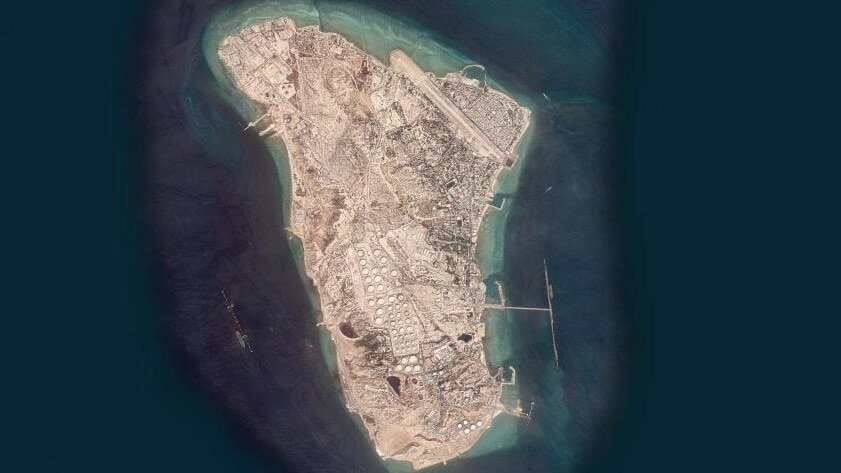

Following Iran’s rejection of a new US ceasefire proposal to end the ongoing conflict, reports have surfaced about fresh strikes on Kharg Island, a critical oil hub in Iran, as stated by the country’s semi-official Mehr News on Tuesday. The strikes, reportedly carried out by Israel, raise questions about the strategic significance of targeting Kharg Island.
This development coincides with reports that US President Donald Trump is contemplating more assertive actions, including taking control of Iran’s vital oil infrastructure to exert economic pressure. Market speculation indicates that the Trump administration views Iran’s oil sector as a strategic leverage point.
As the deadline for Iran to accept a peace deal neared on April 8 at 7 am IST, reports of Kharg Island being targeted added to the escalating tensions.
THE IMPORTANCE OF KHARG ISLAND FOR IRAN
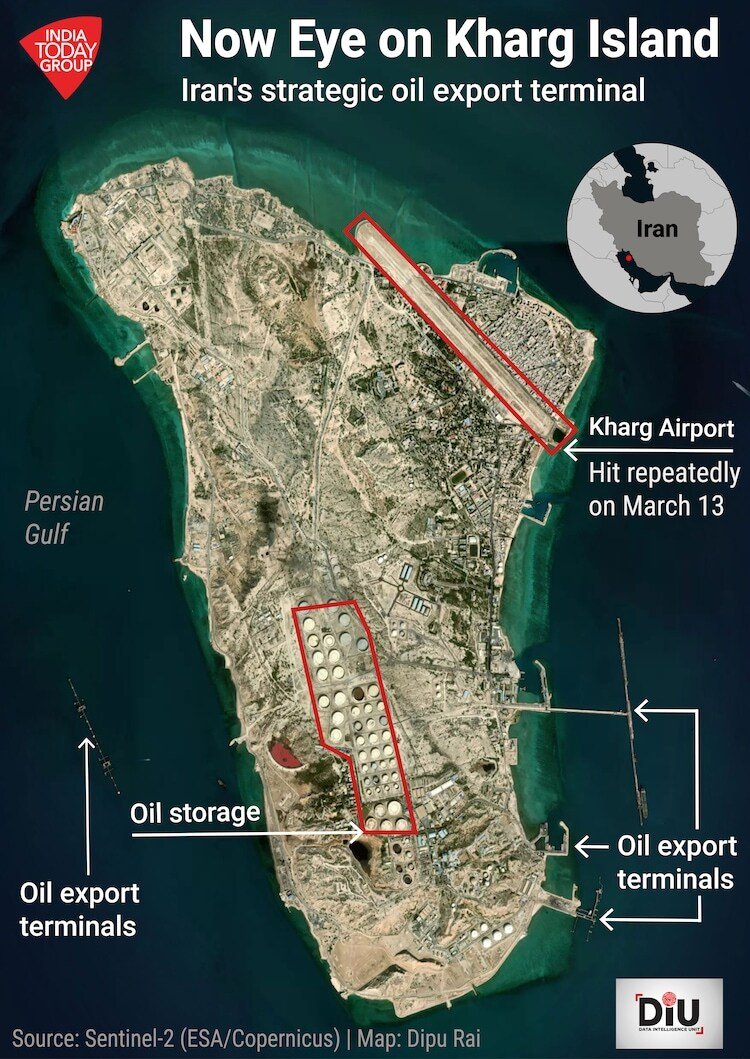
Situated approximately 24 km off Iran’s mainland in the Persian Gulf, Kharg Island functions as Iran’s primary oil export terminal, handling about 90% of the country’s crude oil exports. With a storage capacity of around 30 million barrels and the capability to load up to 6 million barrels per day onto tankers, disruptions at Kharg could have extensive global ramifications due to Iran’s significant contribution to global oil production.
Experts suggest that controlling or severely damaging Kharg could effectively cut off Iran’s primary revenue source.
Given Iran’s already fragile economy due to existing sanctions, Kharg Island plays a crucial role in sustaining its economic stability.
Disrupting oil exports through Kharg could severely impact the Iranian economy, compelling Tehran to engage in negotiations, constrain funding for its military activities, and influence its regional influence.
POTENTIAL OUTCOMES OF INVADING OR DISRUPTING KHARG
Recent actions by US forces involved precise strikes on over 90 military targets on Kharg Island, sparing the oil facilities intentionally, as confirmed by President Trump and US