


Kaschechwan First Nation is facing a water emergency, with families relying on just one case of water bottles daily. The situation is particularly challenging for households with multiple children or multiple families living together, as the limited supply of water bottles often falls short of meeting their needs.
The crisis began on January 4 when Chief Hosea Wesley declared a local state of emergency due to the deteriorating condition of the community’s water treatment and wastewater facilities. The water treatment plant experienced pump failures in early December, rendering it incapable of adequately treating drinking water. Subsequently, the wastewater treatment plant also encountered issues with its sewage intake system.
Residents like 15-year-old Keisha Paulmartin expressed frustration over the reliance on water bottles for daily needs, emphasizing the inadequacy of the current situation. Sinclair Williams, a long-time resident of Kaschechewan, echoed these sentiments, labeling the circumstances as unacceptable and highlighting the essential nature of access to clean water.
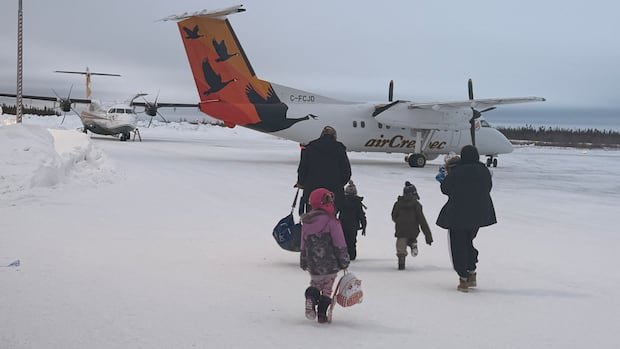
In response to the crisis, approximately 35 vulnerable community members were evacuated to Timmins, Ontario, on January 7, with additional flights arranged to accommodate over 200 evacuees in Kapuskasing the following day. The leadership of Kashechewan is collaborating with federal and provincial authorities to coordinate a comprehensive evacuation of the community’s 2,300 residents.
Located along the James Bay coast without permanent road access, Kashechewan relies on air transport for evacuations. Despite weather-related flight limitations, efforts are ongoing to facilitate a complete evacuation, as confirmed by Indigenous Services Canada.
Notably, evacuations have become routine for residents like Keisha Paulmartin, who have grown accustomed to seasonal displacements due to flooding in the area. Similarly, Petersen Spence, a member of Kashechewan’s Youth Leadership Group, shared his experiences of prolonged evacuations and the educational challenges he faced during such periods.
As the community grapples with the current crisis, plans are being made to relocate families to cities like Niagara Falls and Kingston, Ontario, for access to essential amenities. The uncertainty surrounding the duration of the crisis has heightened anxiety among residents, including Feather Metatawabin, who expressed concerns for families, especially those with special needs.
Efforts to address the water crisis are underway, with the deployment of workers from Northern Waterworks to repair the damaged water treatment plant. While progress is being made, a timeline for completing the repairs has not yet been determined by Indigenous Services Canada.