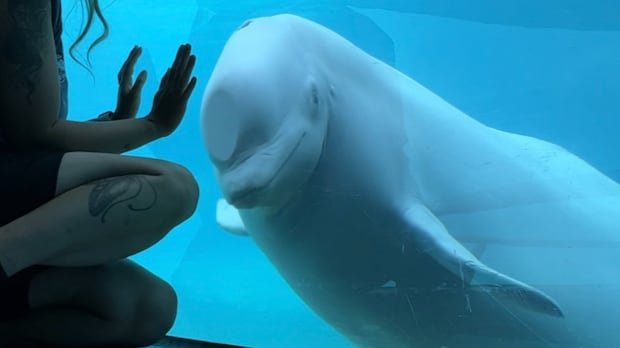


Canadian Fisheries Minister Joanne Thompson expressed confidence in Marineland’s proposal to transfer 34 marine mammals to U.S. aquariums, indicating a likely relocation of belugas and dolphins from the closed amusement park in Niagara Falls, Ont. However, animal advocates are concerned about the conditional approval granted by Ottawa for the move, fearing potential breeding and performances at the new facilities.
The relocation plan involves sending 30 belugas and four dolphins to accredited sites known for high animal welfare standards, as disclosed by Thompson during an interview with CBC News in Ottawa. The potential receiving aquariums include Shedd Aquarium in Chicago, Georgia Aquarium in Atlanta, Mystic Aquarium in Connecticut, and a SeaWorld location, all of which are recognized by Accredited Zoos and Aquariums (AZA).
Thompson outlined two key conditions that Marineland must fulfill for export approval. She emphasized the assessment of the health of the belugas and dolphins by accredited veterinarians, along with a detailed transportation plan. The minister highlighted the importance of ensuring ongoing health support at the new facilities for the animals post-relocation.
The closure of Marineland, plagued by controversies and opposition regarding animal living conditions and performances, has led to the deaths of 20 marine mammals since 2019. The federal law enacted in 2019 prohibits the breeding and entertainment use of whales, dolphins, and porpoises. Exporting these animals necessitates special federal permits, which can be granted by the fisheries minister under specific circumstances.
As deliberations continue on export permits for Marineland, Animal Justice’s executive director, Camille Labchuk, emphasizes the need for stringent conditions barring performances and breeding at the new homes of the mammals. The potential transfer to U.S. aquariums would subject the animals to state laws, with some states permitting breeding and performances.
Former Marineland trainer Kristy Burgess supports the relocation plan, acknowledging the superior facilities offered by the U.S. aquariums. Burgess remains optimistic that the marine mammals will receive adequate protection during the transfer, emphasizing the importance of prioritizing the animals’ welfare in their new environment.
Overall, the proposed move of belugas and dolphins from Marineland to U.S. aquariums is seen as a crucial step in providing a better quality of life for these animals, amidst concerns and hopes for their well-being in their potential new homes.