


Astronaut well-being has been a focal point since the inception of space exploration. Challenges like motion sickness, disorientation, muscle degeneration, and bone density reduction have impacted every astronaut venturing beyond Earth.
NASA has made strides in managing these conditions through medication and rigorous exercise in space. However, potential severe health issues could hinder longer missions to the moon and Mars. Scientists are intensively researching the possible health risks for long-distance astronauts and strategies to address them.
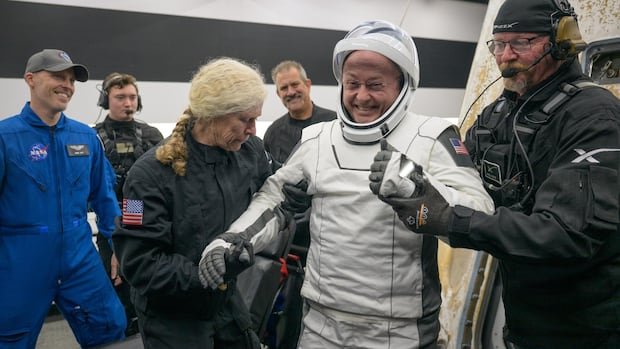
While space-related health crises are infrequent, January 2026 marked the inaugural medical evacuation from the International Space Station in its 25-year history. Astronaut Mike Finke required ground-based medical attention for a non-life-threatening ailment. The specifics of the incident have not been disclosed for privacy reasons, but Finke is reportedly recovering well.
Though rare, close calls prompt thorough investigations to enhance comprehension of microgravity’s impact on human health. Researchers are delving into how blood clots develop in microgravity, following an incident involving an unidentified female astronaut in 2019.
The study, focusing initially on females, revealed that blood clots formed in microgravity are more resilient than those formed on Earth. Subsequently, the research team explored potential sex-based disparities in blood clotting in a microgravity setting.
Both Finke and the unnamed female astronaut were diagnosed using a portable ultrasound device, a standard tool for routine health assessments in weightless conditions on the space station. However, limited equipment onboard restricts astronauts’ ability to address medical issues comprehensively.
Weightlessness can trigger blood clotting and vision alterations due to fluid redistribution in the body. Notably, Canadian astronaut Bob Thirsk experienced vision deterioration during a prolonged spaceflight in 2009, leading to the discovery of Space-Associated Neuro-Ocular Syndrome (SANS).
Injuries are commonplace in space, with musculoskeletal issues and exercise-related injuries documented in NASA studies. While the International Space Station is equipped with medical essentials, certain conditions necessitating open surgery cannot be managed in space, mandating prompt return to Earth.
Future space missions to the moon and Mars pose greater challenges, given the extended travel durations and communication delays with Earth-based medical teams. NASA’s Earth-Independent Medical Operations (EIMO) initiative aims to revolutionize medical care for distant missions, enabling astronauts to address health issues autonomously.
Preventive measures and robust health monitoring will be crucial for future space explorations. Despite preparations, unforeseen medical emergencies or fatalities remain a possibility, prompting NASA to have contingency plans in place, including protocols for managing astronaut fatalities in space.
The hope is that such tragic scenarios never come to fruition.