
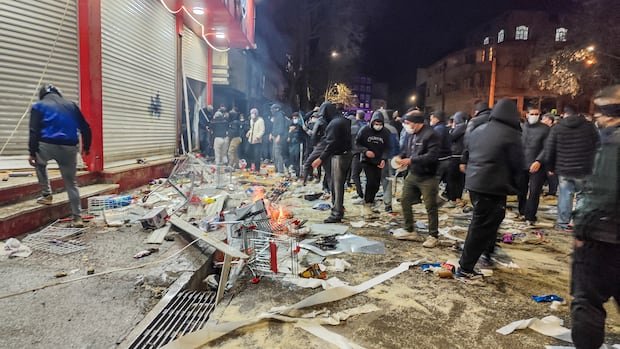


Witnesses reported a surge in street demonstrations in Tehran on Thursday evening, signaling a heightened phase of protests in Iran following a call by exiled Crown Prince Reza Pahlavi for a large-scale rally. Immediately after the protests commenced, internet and telephone connectivity within Iran was disrupted.
This wave of protests represented a significant trial to gauge the potential influence of Pahlavi on the Iranian populace. Demonstrators, amidst ongoing protests over Iran’s struggling economy, openly expressed support for the shah, a sentiment that would have been punishable by death in the past but now underscores the underlying discontent fueling the protests.
The momentum of the protests has intensified, with more markets and bazaars closing in solidarity with the demonstrations. The violence surrounding the protests has resulted in 41 fatalities and over 2,270 detentions, as reported by the U.S.-based Human Rights Activists News Agency.
The mounting pressure on Iran’s civilian government and Supreme Leader Ayatollah Ali Khamenei is further compounded by reports from internet firm CloudFlare and advocacy group NetBlocks, attributing the internet blackout to government interference. Such disruptions have historically preceded severe government crackdowns.
Despite the widespread protests, the demonstrations have largely remained leaderless. The impact of Pahlavi’s call on the future trajectory of the protests remains uncertain, with experts highlighting the historical challenge of finding a unifying figure to lead dissent in Iran.
Pahlavi’s call for demonstrations on Thursday and Friday stirred neighborhoods across Tehran into fervent chanting, with calls for the downfall of the current regime and expressions of support for the shah. The response to Pahlavi’s appeal will determine the course of further actions, while his association with Israel has drawn criticism.
Iranian authorities appeared to take the planned protests seriously, with reports of enhanced security measures, including the use of drones to monitor participants. The scale and intensity of the protests have not been officially acknowledged by Iranian officials, despite reports of security personnel being harmed or killed during the unrest.
The ongoing protests reflect a broader discontent in Iran, exacerbated by economic challenges and escalating tensions with the U.S. The threat of intervention by President Donald Trump has added a new dimension to the protests, with Iranian officials denouncing external interference in their domestic affairs.
The imprisonment of activist Narges Mohammadi and the continued unrest in Iran underscore the deep-seated grievances driving the protests, with demands for political change and an end to the current regime resonating among demonstrators.