
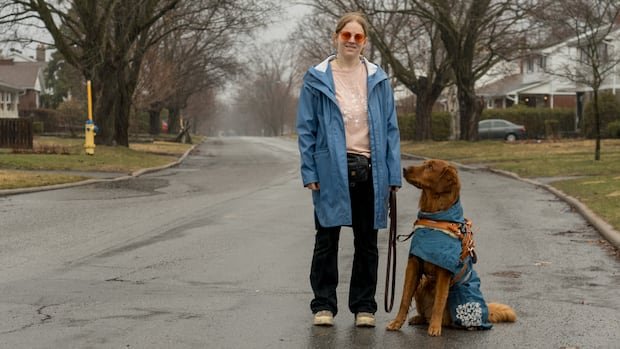

Living in Ottawa with her service dog, Geneva, Rachel Lyons faces challenges when navigating crowded spaces due to her disabilities, which can trigger panic attacks and dizziness. Geneva wears a mobility harness labeled “service dog” and “do not distract” to assist Lyons in managing her symptoms while shopping. Despite politely declining requests to pet Geneva and using noise-canceling headphones for sensory support, interactions with strangers can sometimes turn uncomfortable.
During a grocery store visit, Lyons encountered a confrontation with a displeased stranger after politely requesting them not to pet Geneva. Feeling cornered and distressed by the stranger’s aggressive reaction, Lyons experienced a panic attack but found comfort in Geneva’s calming presence. Negative encounters like this can not only trigger anxiety but also disrupt Geneva’s crucial tasks in assisting Lyons to live independently.
Despite the challenges, Geneva has transformed Lyons’ life, enabling her to feel safe and independent in public spaces. However, distractions or confrontations can have serious consequences, jeopardizing Geneva’s training and Lyons’ well-being. Lyons emphasizes the importance of respecting boundaries around service dogs and suggests admirers appreciate them from a distance and interact with the handler instead.
In conclusion, Lyon’s story sheds light on the crucial role service dogs play in the lives of individuals with disabilities and highlights the need for public awareness and respect towards these working animals.