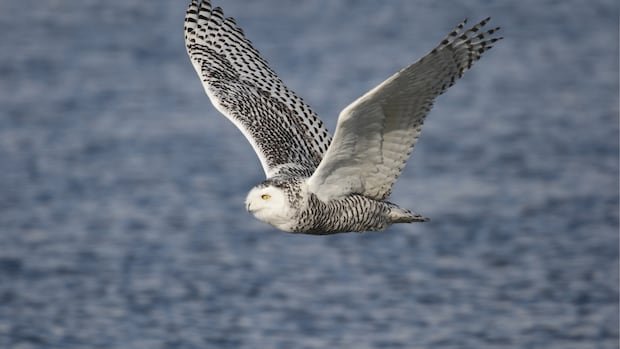


The population of snowy owls soaring over the Arctic tundra is diminishing due to various threats, raising concerns for their survival. These majestic birds are encountering challenges such as habitat loss, with denser ground cover making prey harder to find. Additionally, collisions with vehicles, buildings, and power poles during migration are contributing to the decline in their numbers.
Currently estimated at around 14,000 individuals, the snowy owl population is decreasing by more than 30 percent per decade. The species was classified as threatened due to the significant drop in its numbers, according to Syd Cannings, a retired biologist who was part of the Committee on the Status of Endangered Wildlife in Canada.
The process of granting legal protection to the snowy owl is slow-moving, involving thorough consultations among researchers, federal, Indigenous, and local governments. It typically takes at least two years from the initial assessment of a species’ threatened status to its formal listing under federal law. This delay leaves the snowy owl vulnerable for an extended period before conservation measures can be implemented.
The main threat faced by snowy owls is the gradual alteration of their habitat caused by global warming, leading to a reduction in suitable nesting and hunting grounds. Apart from habitat changes, the birds are also at risk from avian flu and various human-related dangers such as vehicle collisions, electrocution from power lines, and poisoning from consuming prey exposed to rodent poison.
Despite efforts to mitigate climate change impacts and conserve biodiversity, the unpredictable nature of environmental changes poses challenges for the conservation of snowy owls. These birds, known for their long-distance travels in search of food, serve as indicators of environmental health. Preserving the snowy owl population is not only crucial for their own survival but also holds cultural significance as a symbol of the far North’s connection to southern regions.