
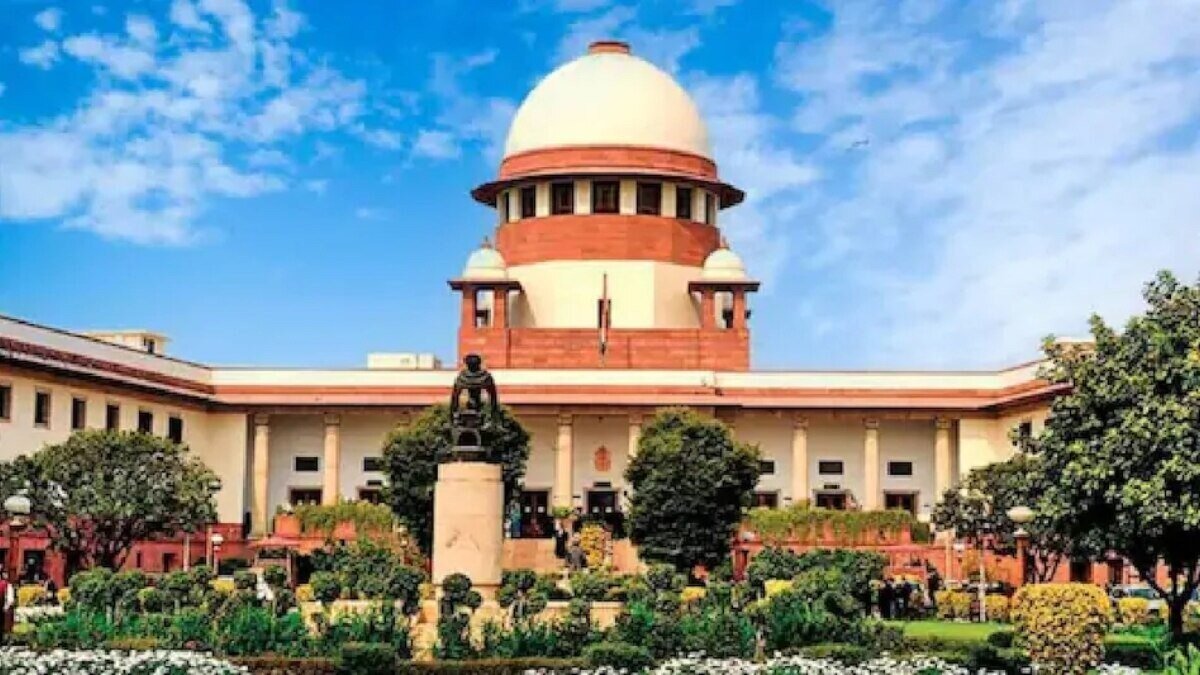

In a recent ruling, the Supreme Court has emphasized that once spouses agree to a mutual divorce settlement as a final resolution of disputes, they cannot retract their consent. Justices Rajesh Bindal and Vijay Bishnoi stated that although withdrawal of consent is allowed before a divorce decree is issued, it cannot be used to avoid the obligations outlined in the settlement agreement.
The Court highlighted that parties must abide by settlement terms authenticated by a mediator, and failure to do so may result in significant costs for the party attempting to backtrack. Any deviation from mediated settlements was deemed unacceptable as it undermines the integrity of the mediation process.
According to the Court, exceptions for withdrawing from a settlement are limited to specific circumstances like fraud, coercion, undue influence, or non-compliance by the other party with agreed terms. Beyond these exceptions, parties are expected to uphold the commitments made during mediation sessions.
The case in question involved a matrimonial dispute where the wife withdrew her consent for mutual divorce after participating in and partially fulfilling a mediation settlement. The couple, married in 2000 and with two children, separated due to differences in 2022–23. Following the husband’s divorce petition based on cruelty and adultery, mediation led to an agreement to resolve all disputes and proceed with a mutual divorce.
After completing the initial divorce motion in August 2024 in line with the settlement, the wife withdrew her consent before the second motion. Subsequently, the husband filed a contempt petition, later withdrawn, and approached the Delhi High Court. The wife initiated proceedings under the Domestic Violence Act in October 2025, which the husband sought to quash, arguing it was an abuse of process. The High Court allowed the proceedings to continue under certain conditions.
The husband then appealed to the Supreme Court, challenging the High Court’s decision. The Supreme Court deemed the domestic violence case as planned and a post-settlement issue, nullifying it as an abuse of legal procedures.
Acknowledging the irretrievable breakdown of the marriage, the Supreme Court dissolved it on that basis and instructed both parties to fulfill the remaining settlement terms. This ruling highlights the enforceability of mediated settlements and discourages attempts to retract from agreements made to resolve disputes.