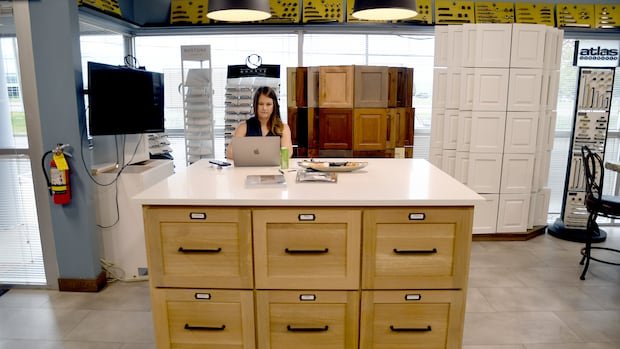


Shediac-based kitchen cabinet manufacturer, James McKenna, breathed a sigh of relief as a significant tariff increase on his products was postponed just before its scheduled implementation on New Year’s Eve. Initially set by U.S. President Donald Trump at 25 per cent on kitchen cabinets and vanities in September, with plans to double it by January 1, 2026, the White House announced on December 31 that the tariff hike would be pushed back to 2027.
McKenna, the owner of Glenwood Kitchen, expressed gratitude for the delay, stating that while his company and U.S. clients managed the 25 per cent tariff, a 50 per cent increase would have been unmanageable, leading to a decline in orders. The White House also deferred the tariff raise on upholstered wooden furniture from 25 per cent to 30 per cent until January 2027.
The postponement allows McKenna to continue serving his American clients while also diversifying sales to mitigate the impact of unpredictable tariff changes. Glenwood Kitchen has been focusing on sales in Atlantic Canada, Ontario, and Bermuda, along with enlisting a consultant to explore opportunities in the Mexican market, aiming to reduce reliance on the U.S. market.
Ron Marcolin, the divisional vice-president for New Brunswick and Prince Edward Island at Canadian Manufacturers and Exporters, commended the decision to delay the tariffs. He emphasized the importance of exploring alternative markets outside the U.S. while lobbying to remove the tariffs, mentioning the potential for Trump to reconsider his stance swiftly.
Marcolin advised Canadian manufacturers to continue diversifying sales markets and consider utilizing Atlantic Canada’s ports to access European markets. Importers of Canadian goods in the U.S. remain cautiously optimistic, but the need for ongoing diversification persists due to the unpredictable nature of tariff policies.
McKenna expressed optimism about expanding his American clientele in the future but highlighted the necessity of tariff removal to facilitate business growth, particularly in regions like New England where there is a strong demand for their products.