
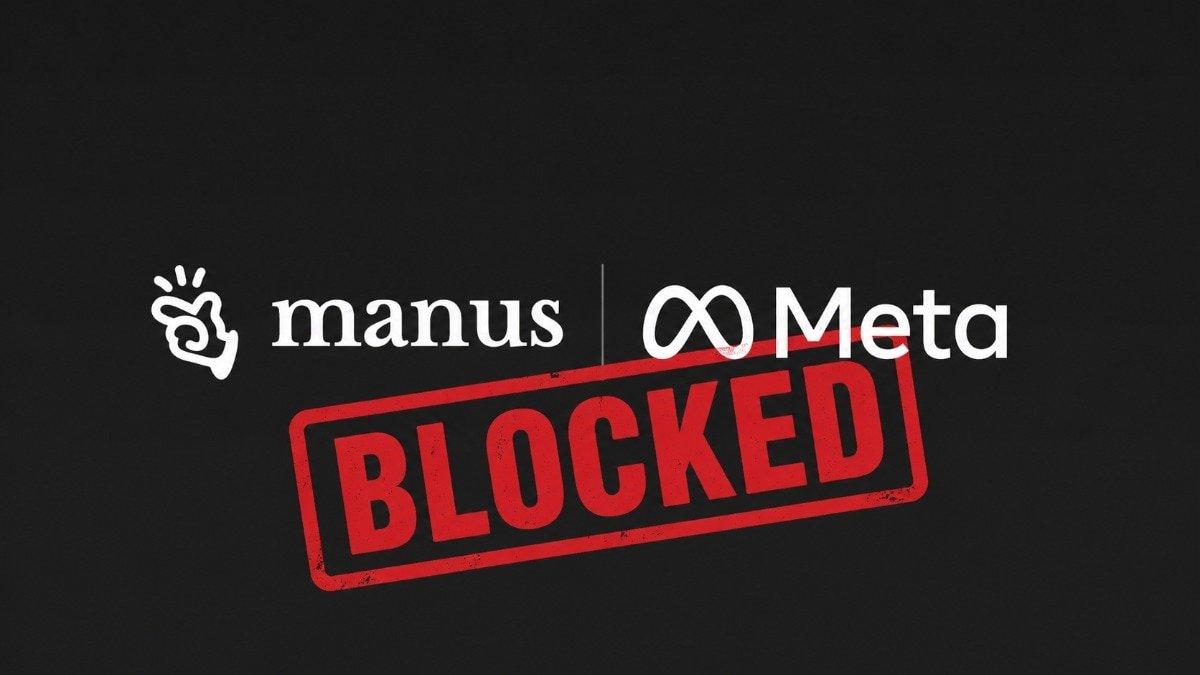

In the realm of love and the AI competition, all tactics are fair game. The ongoing rivalry between the US and China in the AI race has led to strategic maneuvers to outshine one another. The US has imposed restrictions on exporting vital AI hardware to China and Chinese AI firms, while China is retaliating in kind. Amidst this conflict, a promising startup, Manus AI, has become entangled in the crossfire. The startup, known for its groundbreaking AI technology focusing on agents, has been prohibited from being acquired by Mark Zuckerberg and Meta.
Despite initial appearances, Manus AI has become a pawn in the power struggle between China and the US. Both nations are vying for supremacy in the global AI landscape, aiming to suppress competition and maintain their technological edge. With AI being deemed a crucial strategic asset, Manus AI holds significant value for both countries.
Meta CEO Mark Zuckerberg’s interest in acquiring Manus for approximately $2 billion underscores the allure of its cutting-edge technology. As Zuckerberg seeks to bridge the gap with industry leaders like OpenAI and Google, Manus AI’s innovative agentic AI capabilities presented an appealing opportunity.
However, the Chinese government recognized the strategic importance of Manus AI and intervened to thwart the acquisition. The National Development and Reform Commission’s decision to block the sale, following the earlier restriction on Manus co-founders leaving China, underscores the geopolitical significance attached to advanced AI technologies.
Manus AI’s status as a strategic asset stems from its exceptional capabilities. The company is renowned for its advanced general AI agents capable of independently executing complex real-world tasks with minimal human intervention. Its superior performance compared to US-based counterparts positions it as a valuable asset within China’s AI ecosystem, rivaling entities like DeepSeek.
The escalating AI competition between the US and China has led to a series of retaliatory measures. While the US has imposed restrictions on AI chip exports and research collaborations, China is actively safeguarding its technology and talent pool from foreign acquisition. The NDRC’s intervention in blocking the Meta-Manus deal reflects the heightened tensions in the global AI landscape.
The relocation of Manus AI’s headquarters to Singapore, led by Chinese nationals, reflects a strategic move to navigate regulatory challenges and access Western markets and technologies. By distancing itself from Chinese regulations and leveraging US investments, Manus AI aimed to accelerate its growth and innovation prospects.
The failed acquisition by Meta signifies a setback for both parties, with uncertainties looming over the future of the deal. The involvement of Chinese regulators in unraveling the transaction highlights the complexities of international AI acquisitions and the broader strategic implications at play.
As the US and China intensify their rivalry in the AI domain, the Manus AI saga serves as a testament to the high-stakes competition unfolding between the two global superpowers. The clash of interests and regulatory hurdles underscores the intricate dynamics of the evolving AI landscape and its geopolitical ramifications.