

A persistent deep freeze gripping southwestern Ontario coincides with a shortage of road salt, prompting a reinvigorated search for alternative methods to melt road ice. Researchers at Western University have initiated a study in 2022 to explore this issue, with anticipated data release scheduled for this summer.
The study is evaluating nine different substances to assess their efficacy in melting road ice across various conditions. Christopher Power, an associate professor involved in the study, highlighted the dominance of sodium chloride (rock salt) in Ontario municipalities due to its cost-effectiveness.
Despite rock salt’s effectiveness in de-icing roads by lowering water’s freezing point, it poses significant drawbacks. Its corrosive nature accelerates the deterioration of metal structures like bridges and vehicles, besides contributing to environmental degradation by salinating water bodies.
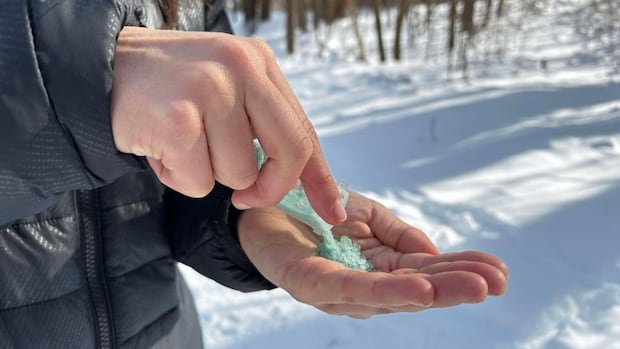
The study at Western University involves testing various alternative ice-melting substances, such as sodium acetate and beet juice, for their melting efficiency and corrosiveness. While no definitive winner has emerged yet, Power emphasized the economic factors that could influence the widespread adoption of these alternatives.
Acknowledging the continued reliance on rock salt due to budget constraints, Power suggested a strategic integration of less corrosive substances alongside sodium chloride, especially in sensitive areas like bridges and water bodies. Many municipalities, including the City of London, are already diversifying their road-clearing strategies amid the current salt shortage, opting for sand-salt mixtures in extreme cold conditions.
As municipalities adapt to the challenges posed by salt shortages and environmental concerns, the quest for effective and sustainable de-icing solutions remains ongoing.