
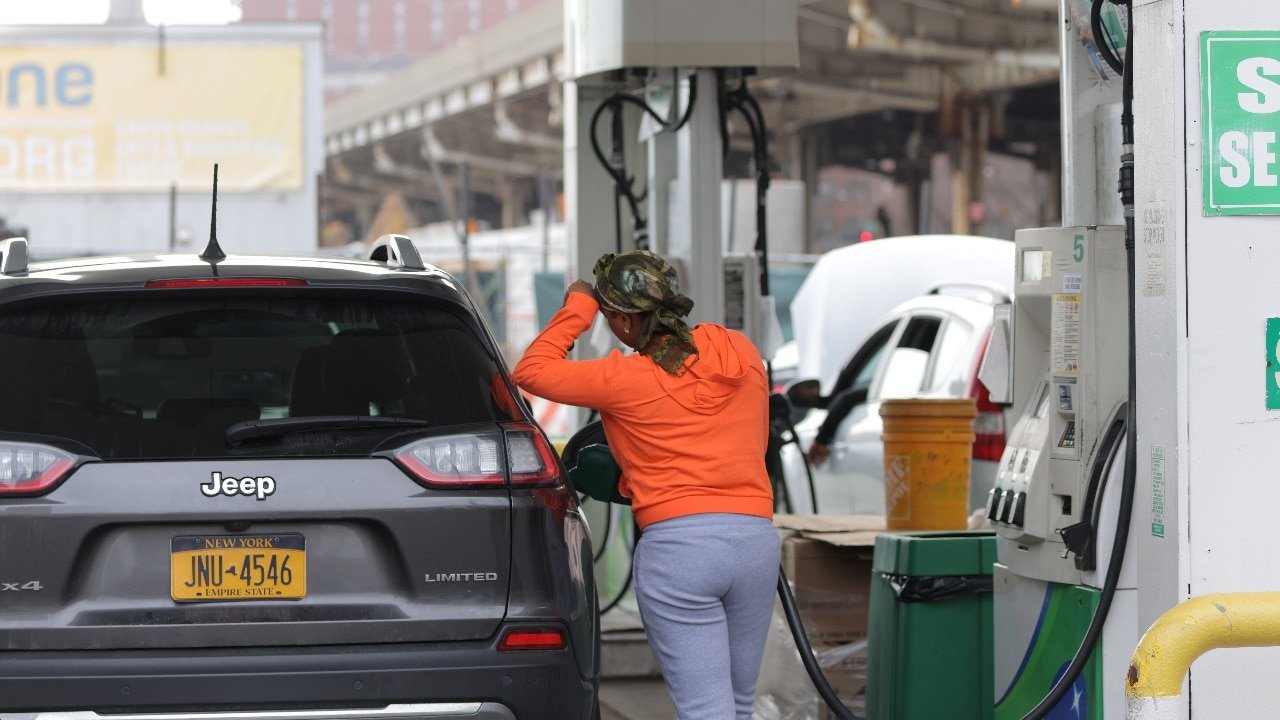


Gas prices in the United States have surpassed $4 per gallon for the first time in over three years due to the ongoing conflict involving Iran disrupting global energy markets. The national average retail price of gasoline crossed the $4 mark on Monday, as reported by the GasBuddy price tracking service. This price level is significant for consumers, impacting their daily spending habits.
The recent surge in gasoline prices is primarily attributed to the increase in crude oil costs, a crucial raw material for gasoline production. Iran’s closure of the Strait of Hormuz, a major oil shipping route, has further amplified supply disruptions, leading to higher prices globally. Since the conflict began in late February, U.S. gasoline prices have risen by approximately $1.06 per gallon, marking a 36% increase.
Simultaneously, U.S. oil futures have also seen a notable uptick, with oil prices settling at $102.88 per barrel on Monday. Reports of an oil tanker attack at a Dubai port contributed to the sharp rise in oil prices in Asian trading sessions.
Rising fuel prices are already impacting household budgets across the United States, with a significant percentage of respondents in a Reuters/Ipsos poll acknowledging the financial strain caused by increasing gasoline prices. Economists emphasize the significance of gasoline prices as they directly influence consumer expenses and sentiment.
Analysts predict that prices may remain elevated in the short term if oil prices continue to climb. While conflicts typically lead to spikes in gasoline prices, some experts believe that the current crisis may be relatively short-lived, hinting at a potential easing of prices in the coming weeks.
To address the escalating energy costs, the U.S. administration has taken steps such as issuing a 60-day waiver of the Jones Act to facilitate the transport of fuel by foreign vessels within the country. Despite these measures, industry experts suggest that the impact on prices may be limited.
With concerns mounting over inflation and consumer spending, policymakers are closely monitoring the situation. Gasoline prices serve as a prominent economic indicator, shaping public perception swiftly in response to market dynamics. Given the ongoing global tensions and uncertainties surrounding oil supply, gasoline prices are expected to remain sensitive to further developments in the conflict.