
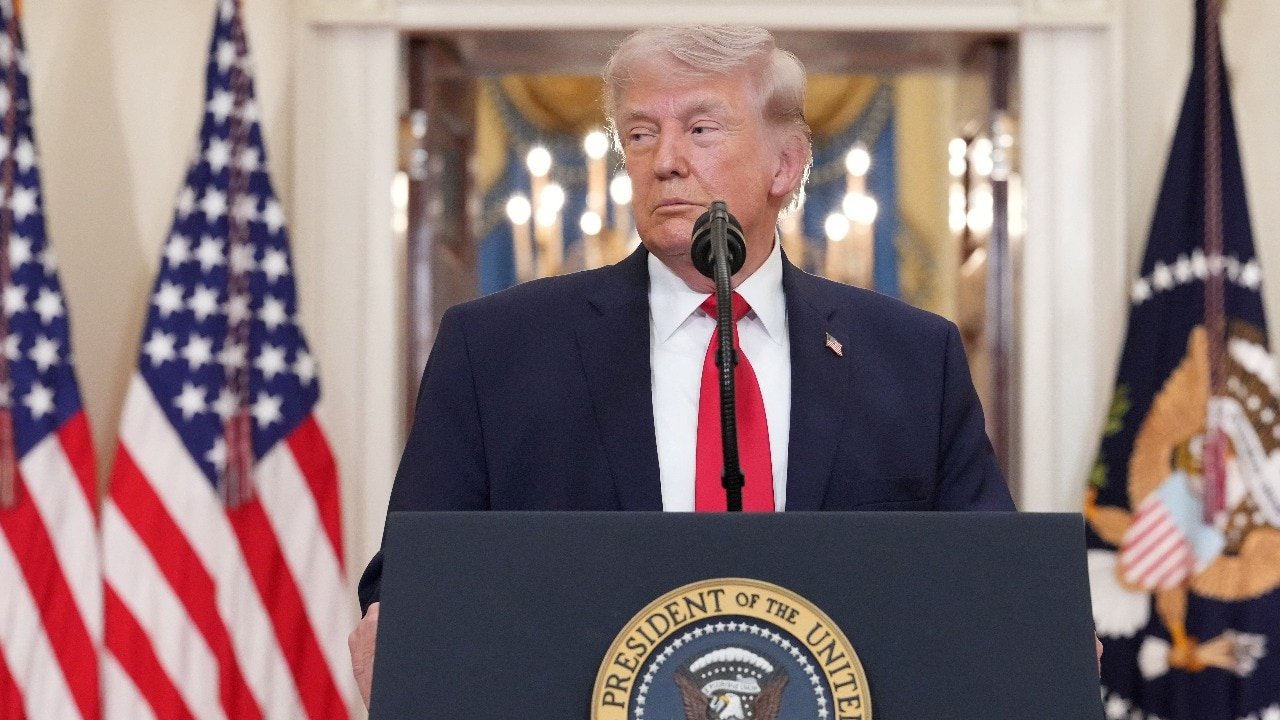


Anticipation surrounded US President Donald Trump’s address to the nation on April 1, garnering more global interest than domestic. Hopes were high for a resolution to the month-long conflict in the Gulf that started with US-Israel strikes on Iran.
However, Trump’s speech primarily reiterated past points and served as a domestic support pitch. Instead of providing clarity on the ongoing war through updates on negotiations, withdrawal plans, or escalation strategies, Trump stuck to familiar rhetoric, boasting, self-praise, and threats, many already seen on his Truth Social platform.
Trump portrayed US actions as retribution for years of Iranian aggression, emphasizing Iran’s untrustworthiness with nuclear weapons. He lauded US airstrikes as unprecedented victories, urging patience and framing the conflict as an investment in America’s future.
Despite the dramatics, Trump offered no new insights on the war’s end date. He claimed progress on strategic objectives without detailing an exit strategy, reiterating plans to bomb Iran extensively in the coming weeks.
He reiterated previous assertions that Iran’s military capabilities were severely compromised. Diplomatic progress remained elusive, mirroring the lack of new information.
During his 20-minute speech, Trump revisited advice on addressing the fuel crisis due to the Strait of Hormuz closure, emphasizing the US’s independence from the strait for oil supply.
Threats persisted in Trump’s address, mentioning possible US military strikes and targeting Iran’s crucial infrastructure if a deal is not reached.
Viewers were left unsatisfied, realizing Trump’s speech lacked substance and failed to offer a clear roadmap to end the conflict he claimed was nearing completion.
Thank you for your attention to the matter.