
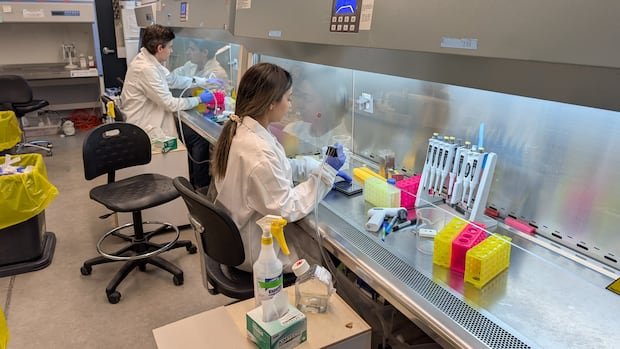

In a documentary by Quirks & Quarks, Charu Chandrasekera reflects on her decision to shift careers after witnessing the limitations of animal testing in biomedical research. As a former biomedical researcher using mice to study heart failure, Chandrasekera realized the inefficacy of this method when her father required a quadruple bypass surgery. This realization led her to found the Canadian Centre for Alternatives to Animal Methods at the University of Windsor in 2017, focusing on innovative technologies like 3D bioprinted tissues using human cells as alternatives to animal testing.
Despite the groundbreaking advancements in developing alternatives to animal testing, Chandrasekera faced challenges due to insufficient funding, leading to the closure of her lab in 2024. Unlike countries such as the U.K, the U.S, and the European Union that have allocated funding and established roadmaps to phase out animal testing in research, Canada lacks a comprehensive plan for replacing animals used in biomedical testing, which constitutes a significant portion of the up to five million animals utilized annually in Canadian research facilities.
Advancements in technologies like organ-on-a-chip models, in-vitro methods, and AI computational models offer promising alternatives to traditional animal testing. Milica Radisic, a professor at the University of Toronto, has developed living heart tissue that mimics real heart function, providing a more accurate and humane approach to studying heart-related conditions compared to animal models. However, the validation and acceptance of these alternative methods by regulatory bodies like Health Canada remain essential for their widespread adoption.
While some researchers advocate for the continued use of animal models due to their unique insights into complex biological interactions, others emphasize the need to transition to more ethical and advanced technologies to enhance research outcomes. The debate over the future of animal testing in biomedical research underscores the importance of regulatory bodies like the Canadian Council on Animal Care in overseeing ethical standards and promoting the adoption of alternative methods in scientific research.
In the global push towards reducing reliance on animal testing, countries like the U.S and the U.K have made significant investments in developing and implementing alternative technologies. However, Canada lags behind in funding these transformative shifts, raising concerns among researchers about the country’s competitiveness in the evolving landscape of biomedical research. Charu Chandrasekera stresses the urgency for Canada to take a proactive leadership role in supporting innovative alternatives to animal testing to stay abreast of international developments and uphold ethical standards in scientific research.