
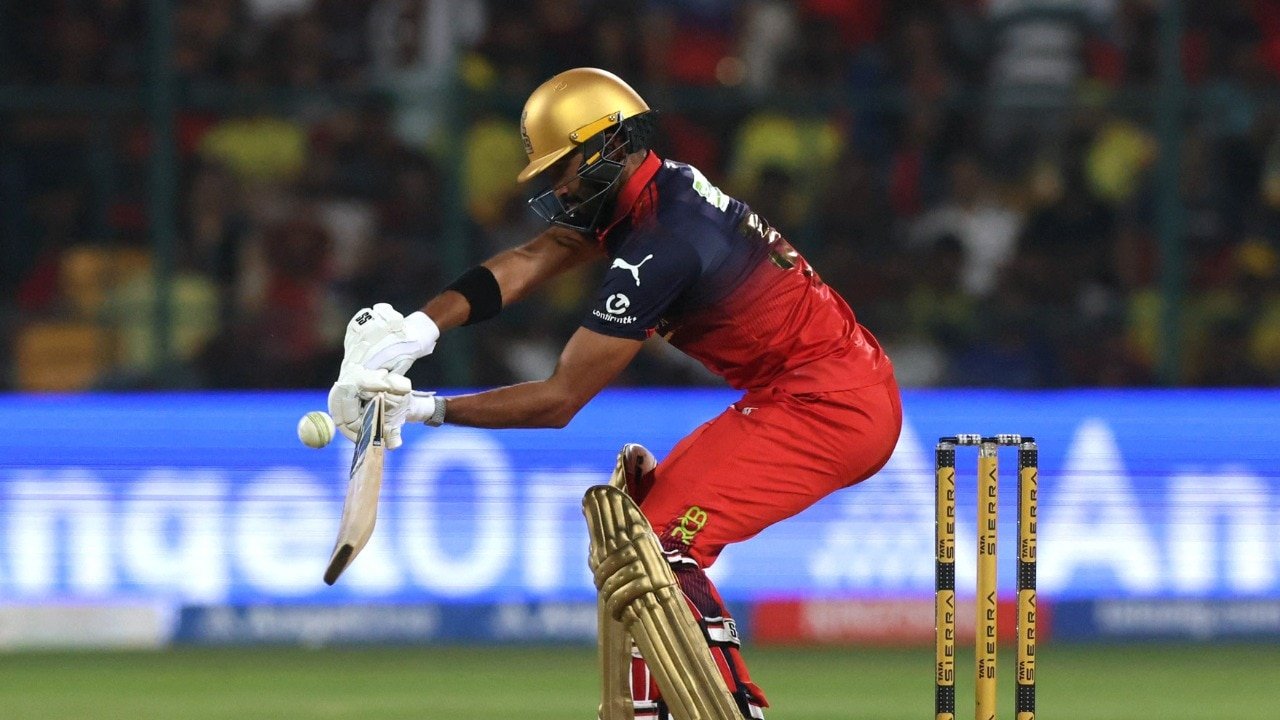

The dynamic of batting at M Chinnaswamy Stadium has changed, according to Devdutt Padikkal of Royal Challengers Bangalore. Padikkal mentioned that it’s no longer feasible to start aggressively from the outset. In a recent match, RCB dominated against Chennai Super Kings, posting a formidable total of 250 runs before restricting CSK to 207.
Despite setting the highest total of the season, RCB faced challenges early on when they were asked to bat first by CSK’s captain. Initially, Virat Kohli and Phil Salt struggled to find their rhythm during the powerplay. Kohli, in particular, had two lucky escapes – surviving a run-out opportunity and a dropped catch – before getting out for 28 off 18 balls. Salt, on the other hand, contributed 46 runs off 30 deliveries before being dismissed by Shivam Dube.
RCB only managed 51 runs in the powerplay but focused on preserving wickets during a tricky phase. Padikkal highlighted the historical difficulty of batting in the initial overs at Chinnaswamy Stadium and how the team had learned from past experiences.
Reflecting on their struggles in the previous season, Padikkal emphasized the importance of not being overly aggressive in the first ten overs to ensure wickets in hand for the later stages. This strategy paid off as RCB’s Rajat Patidar and Devdutt Padikkal accelerated the scoring in the 13th over, shifting the momentum in favor of RCB.
The late onslaught by Tim David, who remained unbeaten on 70 off 25 balls, and Patidar, who scored 48 off 19 deliveries, propelled RCB to a commanding total. In response, RCB’s bowlers struck early to dismantle CSK’s top order, ultimately securing a comfortable 43-run victory as CSK were bowled out for 207.
The win marked a significant turnaround for RCB, demonstrating the team’s adaptability and strategic approach to batting.