
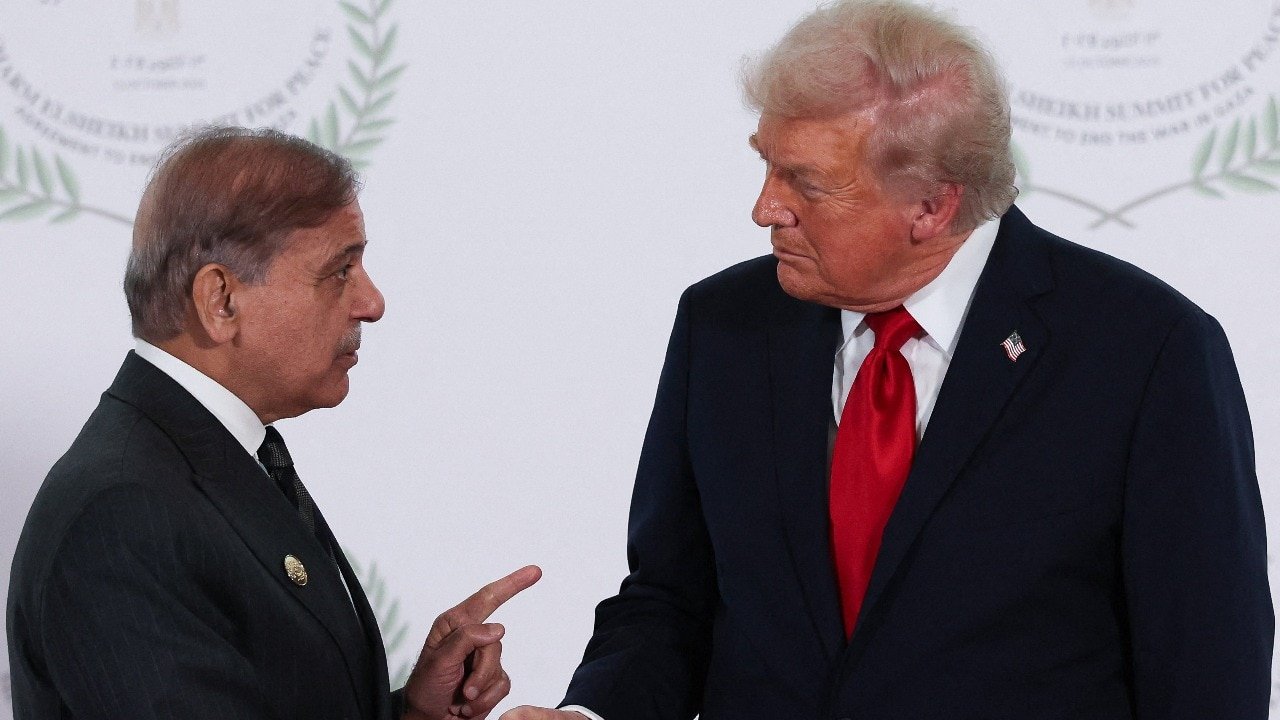

President Trump has announced a two-week ceasefire to facilitate the reopening of the strategic Strait of Hormuz after receiving requests from Pakistan’s prime minister and military leaders, who were acting on behalf of Iran. However, doubts have been raised regarding Islamabad’s actual influence as a regional peacemaker.
Pakistan’s historical ties with Iran, including shared geography and demographics, have positioned it as a key player in the recent diplomatic developments. Despite this, experts question Pakistan’s true leverage over Tehran and Washington, with some dismissing Pakistan as an “dishonest broker” seeking to avoid accountability rather than genuinely promoting peace.
Behind the scenes, it appears that China played a significant role in bringing Iran to the negotiating table, given its economic support and influence. This raises concerns about Pakistan’s exaggerated role in orchestrating the ceasefire, with some analysts suggesting that Islamabad’s actions stem from a desire for relevance rather than genuine mediation efforts.
As the truce teeters on fragile ground, concerns linger about its sustainability. With China holding substantial sway in the region, Pakistan’s self-promotion may not withstand scrutiny, leaving doubts about the long-term success of the agreement. The geopolitical landscape remains complex, with the potential for the peace deal to unravel amid competing interests and regional dynamics.