
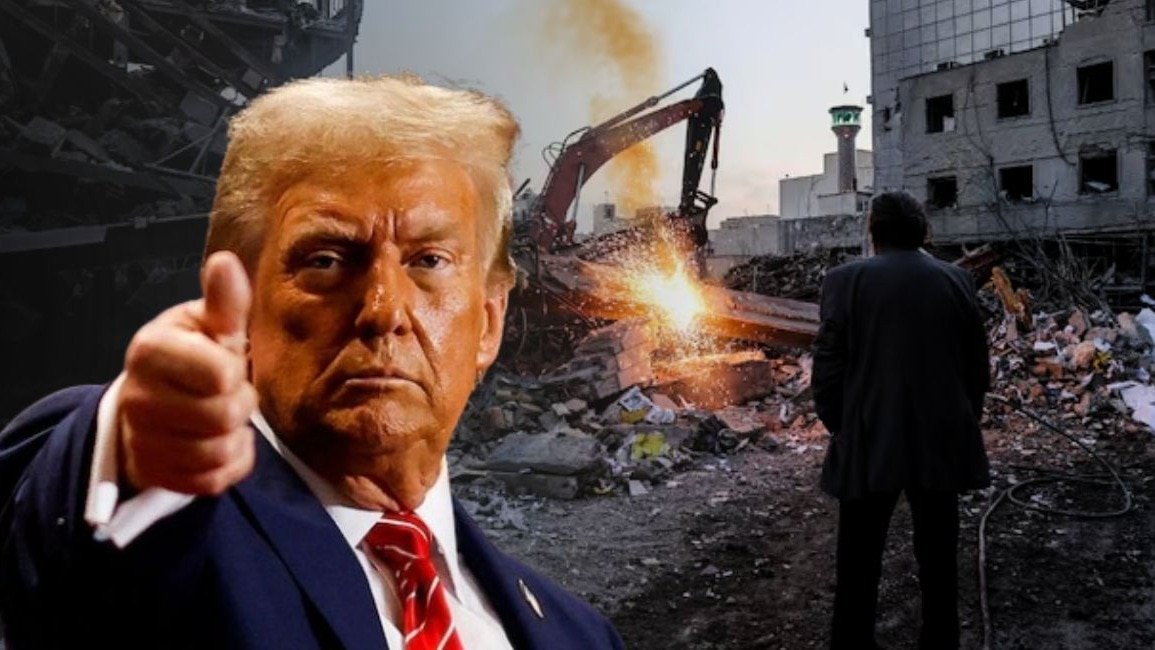

The ceasefire agreement in the Middle East war revealed its vulnerability shortly after being declared on Wednesday. The pact between the US and Iran aimed to temporarily halt direct military confrontations between Washington DC and Tehran for a two-week period. However, Israel, a key ally in the conflict, did not adhere to the ceasefire terms.
Following the ceasefire announcement, the region quickly reignited with Israel affirming its intention to continue its ground operations in Lebanon. The conflict, initially involving the US, Israel, and Iran, escalated into a broader regional crisis as Iran launched missile and drone attacks on several Gulf and regional states. Despite the US-Iran bilateral ceasefire, the situation remains complex due to the involvement of multiple state and non-state actors in the conflict.
Recent Israeli military actions in Lebanon and even targeting Iran’s Lavan Island underscore the challenges of maintaining a bilateral ceasefire in a multifaceted war scenario. While the US has a buffer from Iran, Israel faces direct threats and continues its offensive operations to neutralize potential risks. Iran, on the other hand, warned of retaliatory measures against Israel, indicating the fragile nature of the ceasefire agreement.
The temporary truce negotiated by US President Donald Trump involved Iran’s commitment to reopen the Strait of Hormuz and cease attacks on US interests, Israel, and Gulf nations, while the US agreed to suspend military strikes on Iran. However, the ceasefire did not extend to Lebanon, where Israel intensified its military campaign against Hezbollah, an Iranian-backed group.
Despite the ceasefire, Israeli airstrikes resumed in southern Lebanon shortly after the announcement. The ongoing conflict between Israel and Hezbollah in Lebanon poses a significant challenge to the ceasefire’s effectiveness. Reports from Gulf countries suggested continued missile and drone interceptions even after the ceasefire declaration, indicating the complex and unresolved nature of the conflict.
In a multilateral war involving various regional actors, a bilateral ceasefire between the US and Iran alone is insufficient to address the broader conflict dynamics. The presence of non-state allies, proxy groups, and conflicting interests among different nations complicates the situation. Without comprehensive provisions addressing all fronts and parties involved, a bilateral ceasefire is unlikely to bring lasting peace in the Middle East.