

India’s consumer price inflation remained stable in March, providing relief to households, as per the latest report from PIB. New government data indicates that the overall inflation rate remained within a comfortable range, with varying trends observed in food and other sectors.
The year-on-year inflation rate, based on the All India Consumer Price Index (CPI), was 3.40% (Provisional) in March 2026. This figure is slightly higher than February’s 3.21% but still below the 4% threshold considered manageable.
Rural inflation stood at 3.63%, while urban areas reported lower inflation at 3.11%, highlighting the disparity in price pressures between villages and cities.
According to Radhika Rao, Senior Economist & Executive Director at DBS Bank, March saw a modest increase in inflation, indicating initial price pressures following the Middle East crisis. Input costs were selectively passed on to consumers, while food prices normalized. Despite a decrease in precious metal prices, they remain significantly higher year-to-date.
Rao further noted that the impact of rising energy prices is expected to gradually affect consumers in the upcoming months, with a potential fuel price hike on the horizon. Core inflation remained below 4%, reducing the urgency for the central bank to adopt a hawkish stance. The influence of higher oil and gas prices is likely to be more significant in the Wholesale Price Index (WPI).
Food inflation experienced a slight uptick, with the All India Consumer Food Price Index (CFPI) recording 3.87% (Provisional) inflation in March, compared to 3.47% in February.
Housing inflation remained subdued at 2.11% (Provisional) in March, with urban areas reporting 1.95% and rural areas slightly higher at 2.54%, indicating minimal pressure from rent and housing-related costs on overall inflation.
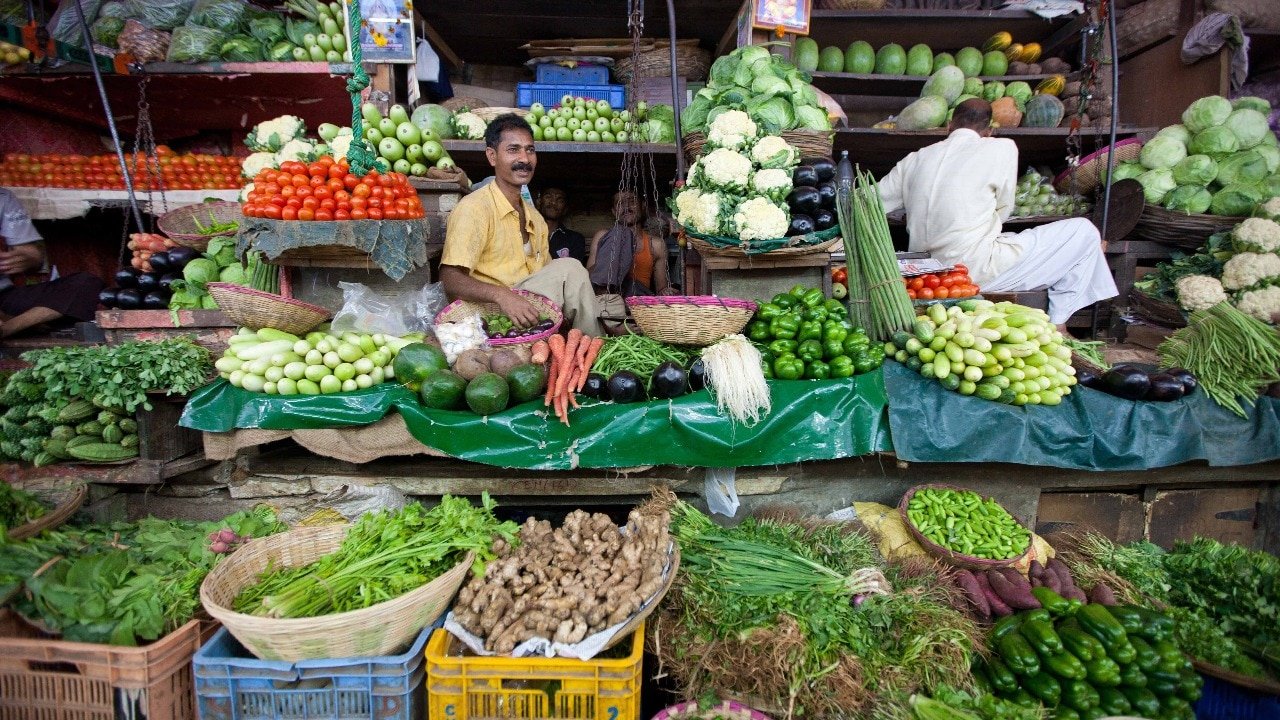
Notably, March data highlighted a significant decrease in vegetable prices, including onions and potatoes, contributing to a reduction in the overall food expenditure. Garlic, arhar dal, and peas showed negative inflation, offering relief to consumers grappling with price hikes elsewhere.
On the flip side, certain categories witnessed high inflation rates, such as silver jewelry, gold, diamond, and platinum jewelry, as well as coconut, tomatoes, and cauliflower. This disparity suggests that essential items have not universally become more affordable.
In conclusion, March’s inflation data presents a nuanced outlook, with headline inflation in check but variations across categories impacting households differently. While declining vegetable prices provide some respite, increasing costs in other sectors continue to strain household budgets.