
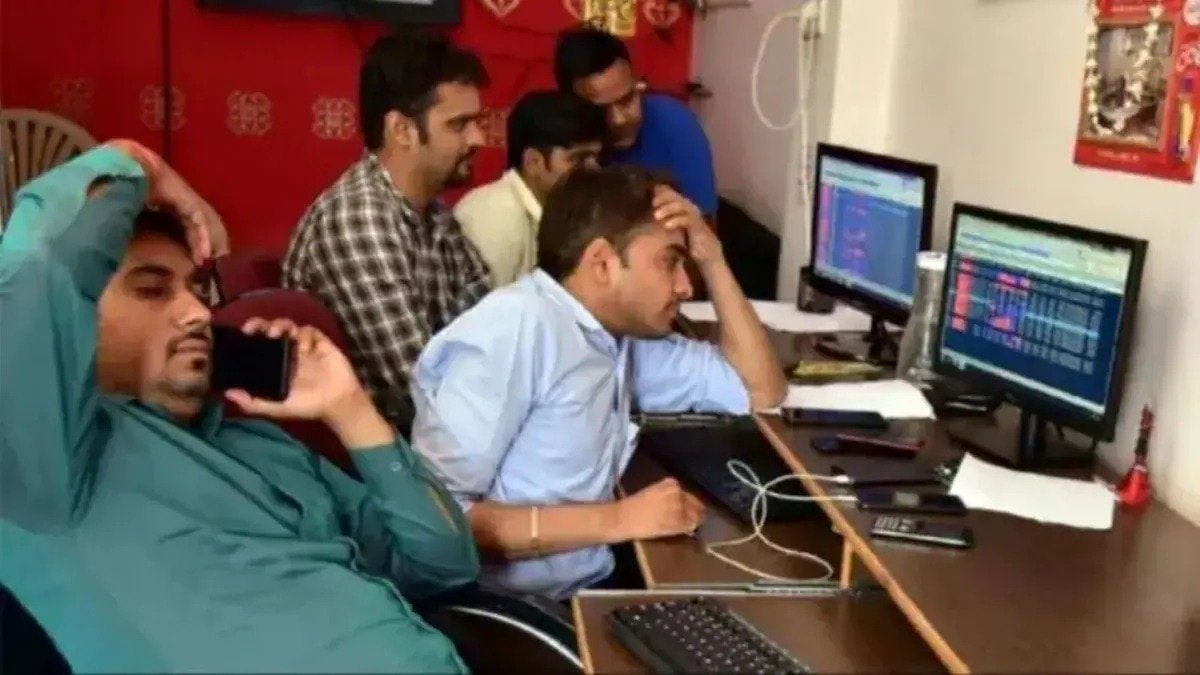

Auto stocks faced significant selling pressure on Monday, with Maruti Suzuki and Eicher Motors taking the lead in the decline, affected by a mix of domestic and global factors impacting investor confidence. Maruti Suzuki experienced a decrease of over 4%, while Eicher Motors saw a drop of nearly 5%, positioning them as prominent losers within the Nifty 50 index. Other automotive companies also exhibited weakness, despite a partial recovery in the broader market from initial losses.
The distinct downturn in the sector indicated that the sell-off was not merely a reflection of overall market trends but was driven by specific concerns surrounding the automotive industry. One major factor contributing to the decline was the intensification of labor unrest in industrial zones.
Violent protests erupted among factory workers in Noida, leading to clashes and incidents of arson, highlighting issues related to wage pressures and working conditions in manufacturing hubs. This development raised worries among investors about potential disruptions in production, particularly in sectors like automobiles that heavily rely on extensive labor-driven supply chains. The ongoing unrest coincides with the escalation of wage pressures, posing a risk of heightened operational costs for companies if similar demands emerge in other manufacturing clusters.
Furthermore, global uncertainties and a spike in oil prices have added to the sector’s challenges. Crude oil prices surged above $100 per barrel due to escalating geopolitical tensions related to the Strait of Hormuz. The increase in oil prices could negatively impact consumer demand by raising fuel costs and escalate input costs, especially for materials tied to crude derivatives. Concurrently, the prevailing risk-off sentiment in global markets prompted investors to reduce exposure to cyclical sectors like automobiles, known for their sensitivity to economic downturns.
The current sell-off is notable for the simultaneous convergence of multiple risks affecting the sector. The combination of labor unrest, escalating wage expectations, higher oil prices, and global uncertainties has created a more vulnerable outlook for automotive stocks, resulting in sharper declines compared to the broader market. Although there was a partial recovery in the markets during the day, the sustained weakness in auto stocks indicates lingering concerns within the sector.
The future performance of auto stocks will hinge on the resolution of labor tensions and the stabilization of oil prices. Until these uncertainties are addressed, sentiment surrounding the sector is likely to remain cautious, with continued volatility anticipated.