
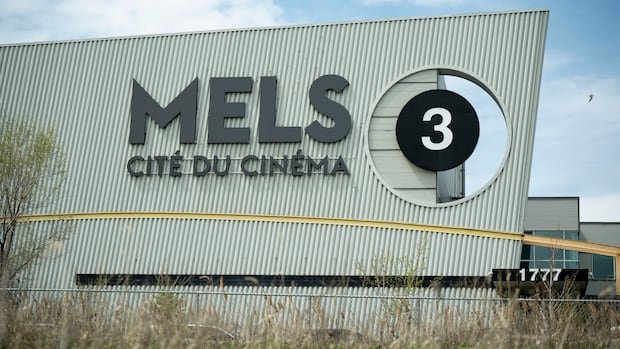

In a move that signals a significant shift in the landscape of Canada’s post-production industry, a prominent post-production company in Canada has announced the closure of its Quebec facility, which is home to one of the few remaining film development laboratories in North America catering to professional productions. Patrick Jutras, the president of Montreal’s MELS studio, confirmed this decision, citing the lack of competitive tax incentives to attract foreign productions and a decrease in local audiovisual production investments as key factors. The company’s photochemical lab is set to cease operations in the upcoming months as a result of these challenges.
While MELS itself will continue its operations, Jutras revealed plans to relocate and consolidate certain post-production services to align with market demands and maintain profitability. Consequently, the photochemical laboratory and a projection room will be closed, with the remainder of their post-production services being transferred to a new location. Jutras emphasized the significance of these facilities, particularly the analog film laboratory, within the Canadian film industry and called for swift governmental intervention to support the struggling local audiovisual sector and preserve Quebec’s expertise in this field.
As the film industry increasingly shifts towards digital production methods, MELS’ photochemical lab has stood out as one of the limited options for filmmakers looking to work with and process 16mm and 35mm film for wide release. According to Concordia film professor Michael Yaroshevsky, MELS’ facility is one of only three “full service” development labs in North America, capable of handling 6,100 meters of film per day, with the other two located in Los Angeles and Atlanta. This capacity has played a crucial role in supporting the production of various films, including notable projects like “Dream Scenario,” “Universal Language,” “Mommy,” and several Quebec-made movies that have gained international recognition.
In response to the closure announcement, Yaroshevsky initiated a petition to save the photochemical studio, which has garnered significant support from local filmmakers. Stressing the continued relevance of film as a medium for artistic expression and learning, Yaroshevsky highlighted the importance of preserving access to celluloid for future filmmakers and the broader film community. Meanwhile, MELS, a subsidiary of Quebecor, which also operates the TVA Group, Freedom Mobile, and Vidéotron, did not provide immediate comments on the matter.
While French-language Canadian films have historically been a cornerstone of the country’s film industry, recent data from Telefilm Canada revealed a decline in box office revenues for these films in 2025. Despite a 39.8% decrease in overall domestic film performance, Telefilm Canada clarified that the drop was influenced by market fluctuations and a particularly strong showing in 2024, rather than a quality crisis. To address the changing landscape of the industry, Quebec Premier Christine Fréchette announced a substantial investment of $609.6 million over the next five years to implement the 2026–2031 Quebec Audiovisual Strategy, aimed at ensuring the sustainability and vitality of the sector amidst the evolving digital and AI-driven landscape.